
What’s going on?
We say bullshit on this old and oft-repeated story, and we were there.
They stopped drafting in ’72, and Selective Service closed down completely in June of ’73.
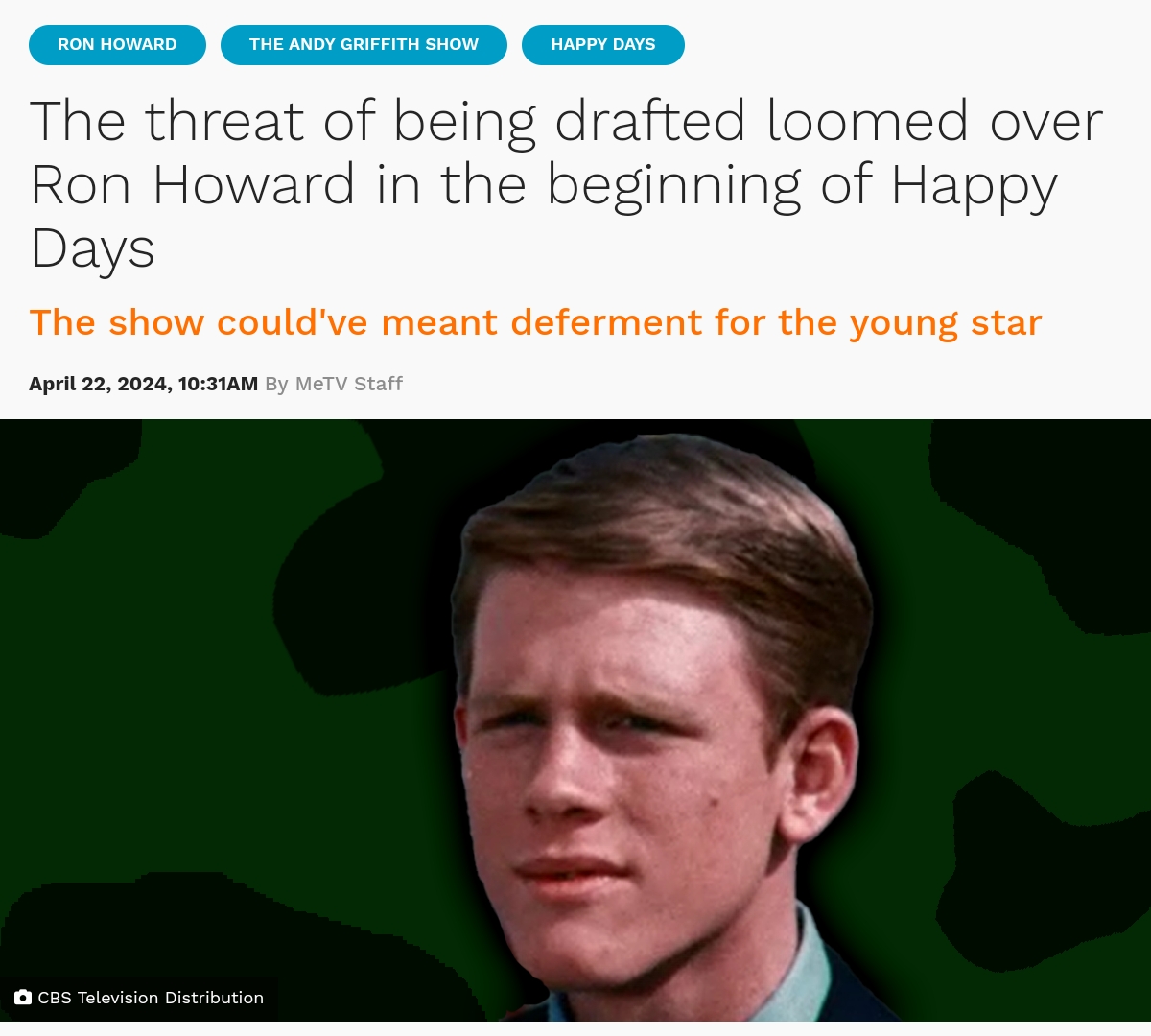
Howard was born in ’54, graduated from Burroughs in ’72, and wouldn’t have faced conscription until at least age 19 20 no matter what. Happy Days also didn’t start until the fall of 1974.
“ABC didn’t feel that the ’50s would fly,” said Howard. That changed quickly, when Howard starred in George Lucas’ hit movie American Graffiti which was set in the same decade. Suddenly, mid-century nostalgia was all the rage once again, and ABC wanted to hop on the trend.
There was just one issue: Howard was still at risk of being drafted for the Vietnam War.
“The war was still going on and I had a lousy number,” he recalled. “But I had read somewhere that if your job could be directly related to the employment of 30 or more people, that would be a deferment. I thought, ‘If this series goes, I bet you could get that deferment.'”
Everyone knew in ’72 that the draft was shutting down. That’s when Howard was a senior in high school. He could also have gotten a 2S deferment just for being in college. He went to SC, right?
Were they even picking numbers in 72-73? We don’t remember it.
There might have been a reason why. According to the official tables, his 1954 birthday drawing would have been held in March of ’73, when the SS was already well on its way out.
That’s why we didn’t pay any attention to it. Nor did he.
Filed under Uncategorized
Let the YIMBYs yell and scream. They’re all bought and paid for anyway and so their opinions don’t count.
We’ve always been big fans of ADUs. Burbank used to be full of them.
What we’re not fans of is setting up a legislative scheme where corporate landlords chock full of foreign investment money are allowed to subdivide our neighborhoods for big money.
The judge is right too — SB 9 has nothing to do with “affordable” anything. These developers and corporate interests have figured out a way of hiding behind the claim of affordability to promote their mega-projects and the shills and morons amongst us swallow it whole.
Filed under Uncategorized
No one’s caught this yet? Their WARN notice:
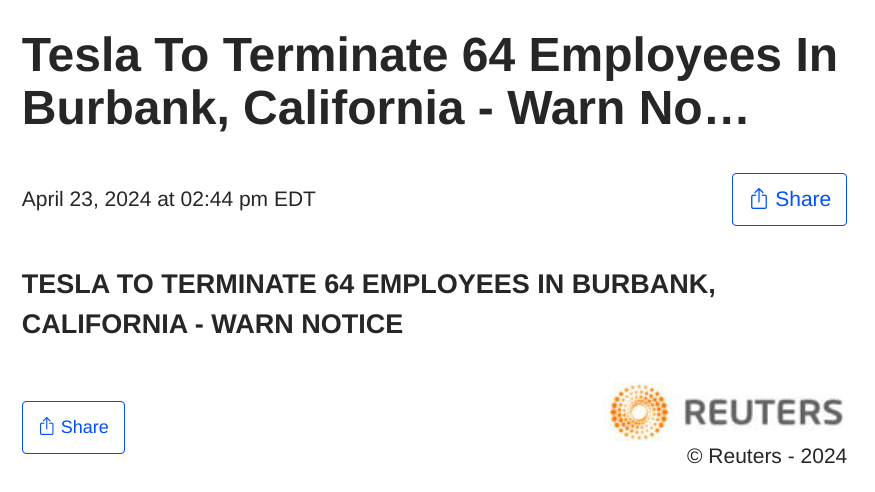
Sixty-four jobs is the whole schmeer or very close to it. They’re opening a big new facility in the West Valley so who needs Burbank.
Notice how — according to this chart — all the other recent WARN notices in California have given 60 days from issue date?
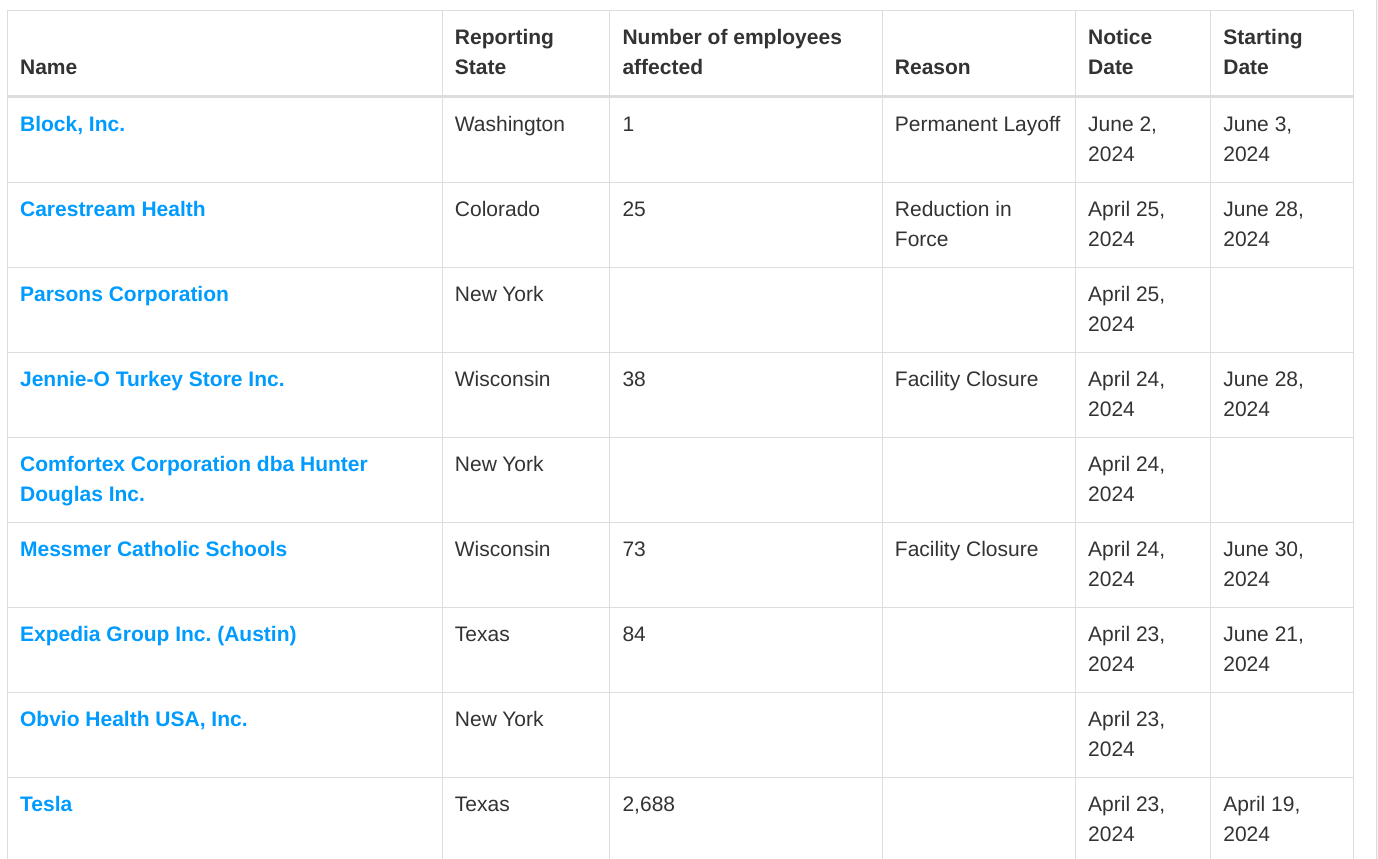
What assholes.
Big enforcement action coming up for them — that’s blatantly illegal, and they’ve apparently done this before.
https://arstechnica.com/tech-policy/2022/06/lawsuit-tesla-broke-us-law-by-not-providing-60-day-notice-before-mass-layoff/
Filed under Uncategorized
LOL.
Where do you think you live?
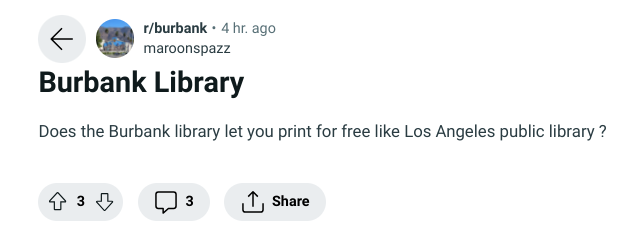
Where do you think you live again?

Did you know that the “Friends of the Burbank Library” received two $200,000+ bequests within the last 15 years? Old members have left big money to them as inheritances.
You didn’t know that, did you?
The Friends could easily subsidize free printing at the Burbank libraries. And how come the main “Central Branch” library is closed on Sundays?
The Buena Vista branch is open.
Filed under Uncategorized
There was a spur that ran along Glenoaks from Glendale to Andover Drive. That’s it.
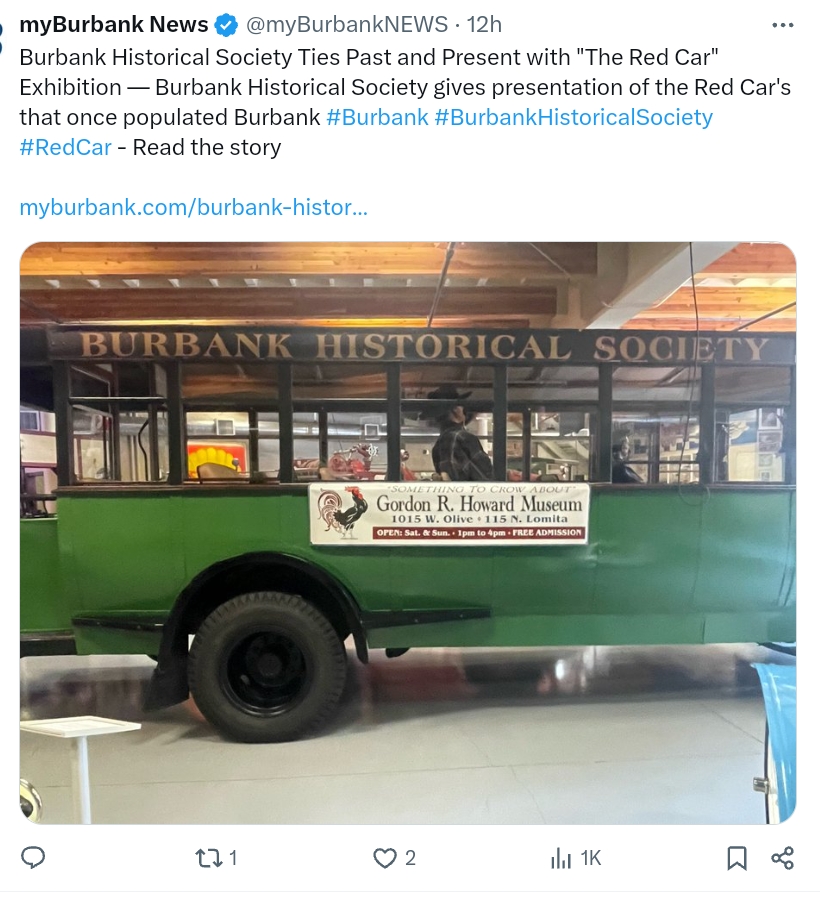
The Red Car had also disappeared from this area by the mid-1950s. Some of the tracks were still there until the late 1970s half-buried in the dirt median on Glenoaks between Brand and Pacific.
The last of the Red Cars were in the Long Beach area until about 1961. We remember seeing them.
Filed under Uncategorized
Filed under Uncategorized
And so this is their own damned greedy fault…
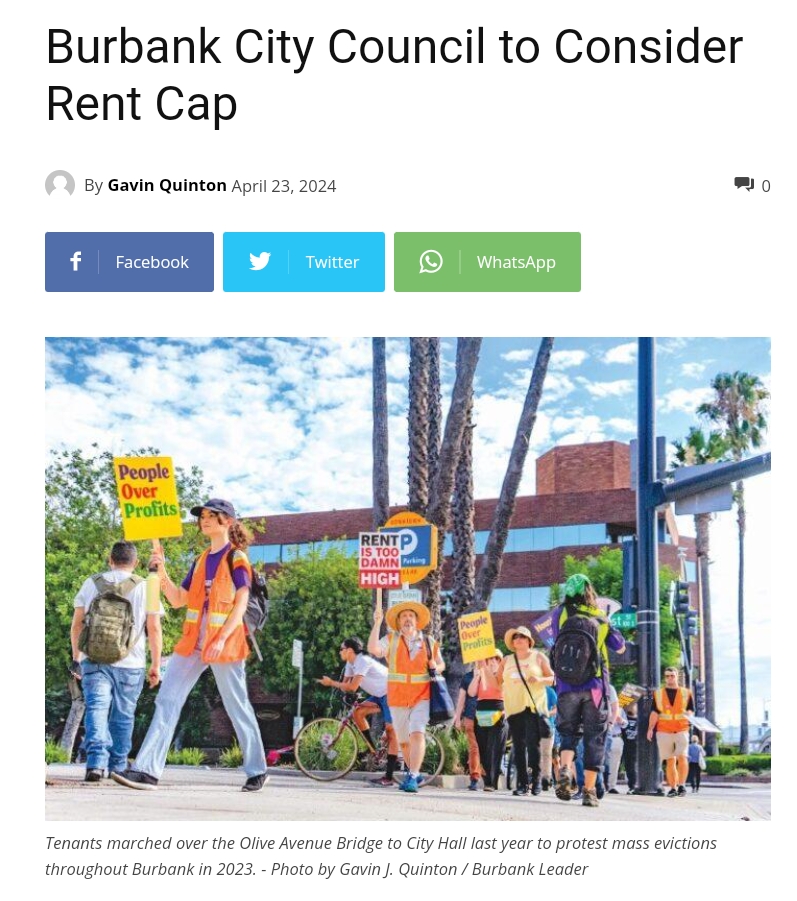
Such big regular yearly increases of or close to 8.5 percent were unheard of until the state legislature passed CPI + 5 rent control a few years ago. Maybe once in a generation you’d see it happen.
Now it’s business as usual? Screw that.
Burbank City Council could direct city staff to draft a much-discussed and controversial rent stabilization measure next week, as the body is scheduled Tuesday to discuss a potential cap on rent increases and other topics related to landlord-tenant relations…
“It is time for Council to move swiftly with a strong tenant protection ordinance. I hope that on Tuesday our union can show other Burbank tenants that if we organize, we can achieve real wins,” Burbank Tenants Union member, Alissandra Valdez, told the Leader.
Valdez called existing rent control measures “weak” and said that a city with a renter majority deserves better protections. She said BTU’s outreach efforts have exposed a harsh reality for Burbank Tenants.
The state’s new annual “rent control” cap of 5 percent + CPI has deputized landlords and their management companies to assess this amount every damn year.
And now — in the face of Burbank possibly cracking down on the practice, like some other local cities have done — these local landlords are whining about how 8.5 percent a year isn’t enough (!)
The Burbank Association of Realtors President Harry Timuryan told the Leader that any lower cap would overburden property owners, who he says are already experiencing difficulties on the heels of the COVID-19 pandemic.
“It’s been a difficult and weird six years. Inflation has gone up tremendously, materials costs have gone up and the pandemic was disastrous for housing providers. At that time, [property owners] were left out of conversation,” Timuryan said.
See how spoiled these Burbank landlords have gotten?
This guy’s also lying about how property owners were “left out” of the state cap legislation in 2020. Hell, the apartment associations all supported it in Sacramento!
Of course they did — because it gave them an automatic 10 percent rent raise every year! It was instant-advantage time. They’ve all been taking it.
And so these huge annual rent increases have now become a given in Burbank — which is what we predicted would automatically happen when the governor first signed that lax bill four years ago. Use it or lose it their advisers have said — that CPI + 5 — and so the landlords are all using it to the max.
How many Burbank landlords are not taking advantage of this current close-to-10 percent local rent “cap”??
Filed under Uncategorized
Why are these groups attracted to the council meeting of all things?
Jesus, we’d give anything for the return of Jules Kimmett and some concern about local issues.
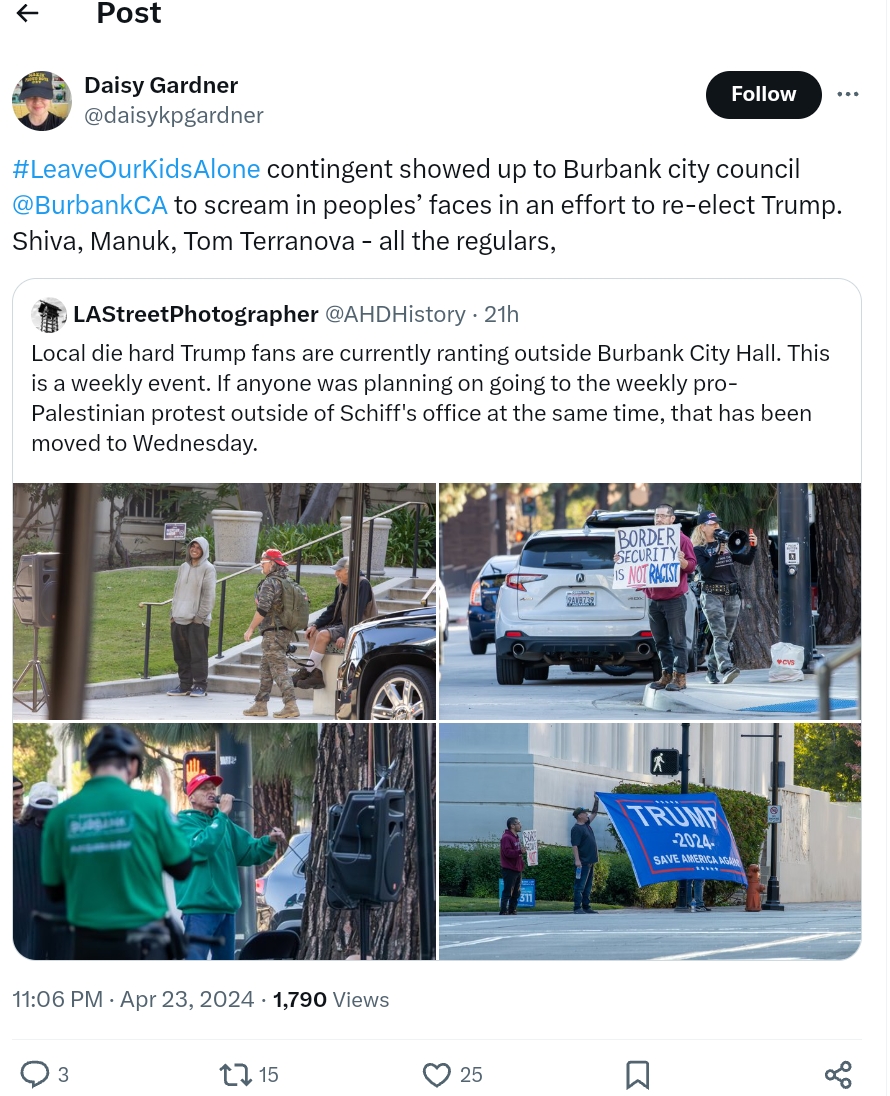
That’s funny, they drove the anti-Semites to another night.
Filed under Uncategorized
This isn’t like carpentry or working in a machine shop.
For purposes of an engaging sort of hobby then this training in mechanics might be kind of fun. And hobbies and avocations are great.
It would definitely be fun for the students. But that’s about it.
Join us on June 24-28, 2024 in Burbank, CA for specially curated programming specifically for arts, media, and entertainment educators!
BURBANK, CA, UNITED STATES, April 22, 2024 /EINPresswire.com/ — Arts Media and Entertainment Institute (AME Institute), a non-profit committed to building a strong pipeline from public education to the creative industries, is thrilled to announce its exciting plans for their annual 3 day institute. AME Institute Burbank will welcome over 600 educators to Burbank for workshops, trainings, and networking opportunities that they have developed with local entertainment industry partners including Dolby, Nickelodeon, Television Academy Foundation, Disney, Woodbury University, Filmtools, Anonymous Sound, MUD, S4 Studios, and Illuminar. Additional programming partners include Sony Pictures Entertainment, Snap, Variety, Adobe, Soundtrap, Toon Boom, SideFX, and more to be announced.
All this in only three days?
Curated Sessions and Programming: In partnership with creative arts industry leaders and in response to the evolving needs of the arts media and entertainment industries, AME Institute Burbank curates programming to equip educators with the skills and knowledge their students need to succeed in today’s ever changing creative arts industries. These programs will offer specialized training in focused areas such as visual arts, design, theater, film/television, dance, vfx/gaming/animation, and more, providing educators with the tools and insight their students need to thrive in a rapidly changing landscape. Educators are given the opportunity to design their own path of programming over the three days to allow for a variety of educational opportunities that may span multiple disciplines and areas of focus. AME Institutes begin with a kick-off presentation and keynote presenter. The 2024 Keynote Speaker is to be announced. Previous keynote speakers include actress Phylicia Rashad, Meowolf Founder Vince Kadlubek, and Warner Bros. Executive Dan Dark.
That’s a lot of different subject areas. It’s like everything in the world that’s cool.
But these trainings are only a means to an end, and unless you individually concentrate on the meaning and purpose of those ends themselves then there’s going to be a lot of career floundering going on here. Like, why are you doing it to begin with, kids?
Never heard of this local Burbank non-profit. Sounds a little too conveniently feelgood-y.
Our goal at the AME Institute is to strengthen the pipeline from public education to the creative industries, ensuring that all students, and particularly those furthest from opportunity, get access to the high-wage creative industry jobs of today and tomorrow.
These aren’t real jobs. And whatever they are, they’re just so damned transient at best.

What does that verbiage even mean? It’s nothing but buzzwords. “Alignment”?
All this institutionalization and schematizing. It’s the exact opposite of art and creativity. It certainly doesn’t foster it.
You gotta do it on your own if this is what you’re interested in. Like a hobby! Maybe something will kick in and maybe it won’t. But these aren’t real jobs any more (if they ever were.) Not with such easy technology in an obviously vague and flaky corporate business environment.
Look how many tech and media layoffs have there been during the past year. Especially tech and media. Besides that current reality, you hit age 40 now and they don’t want you any more.
Filed under Uncategorized
Filed under Uncategorized
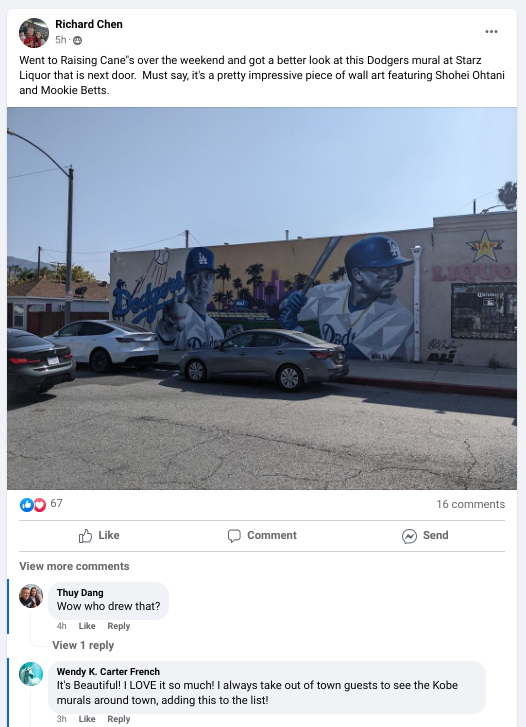
Earlier this morning we were complaining about how Burbank a few years ago had allowed someone to easily tear down a John Lautner Midcentury on Olive.
Nevermind.
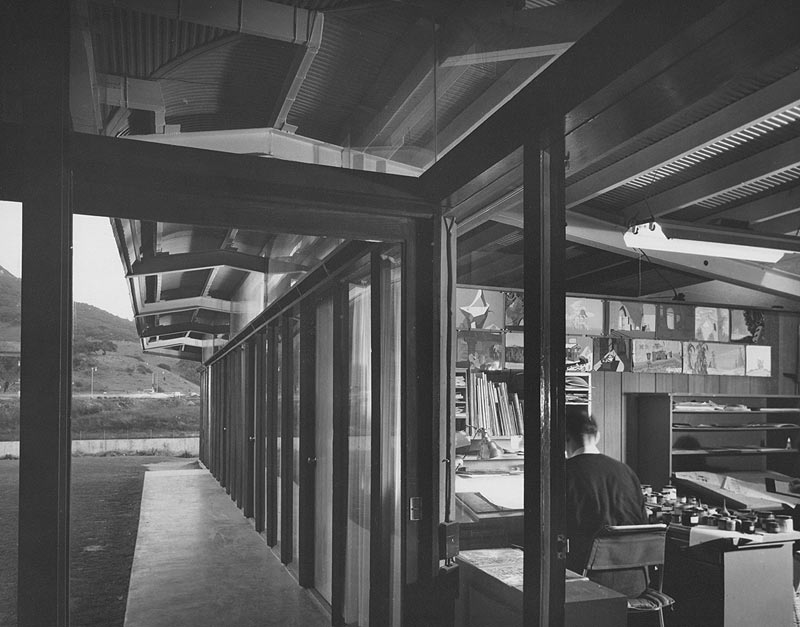
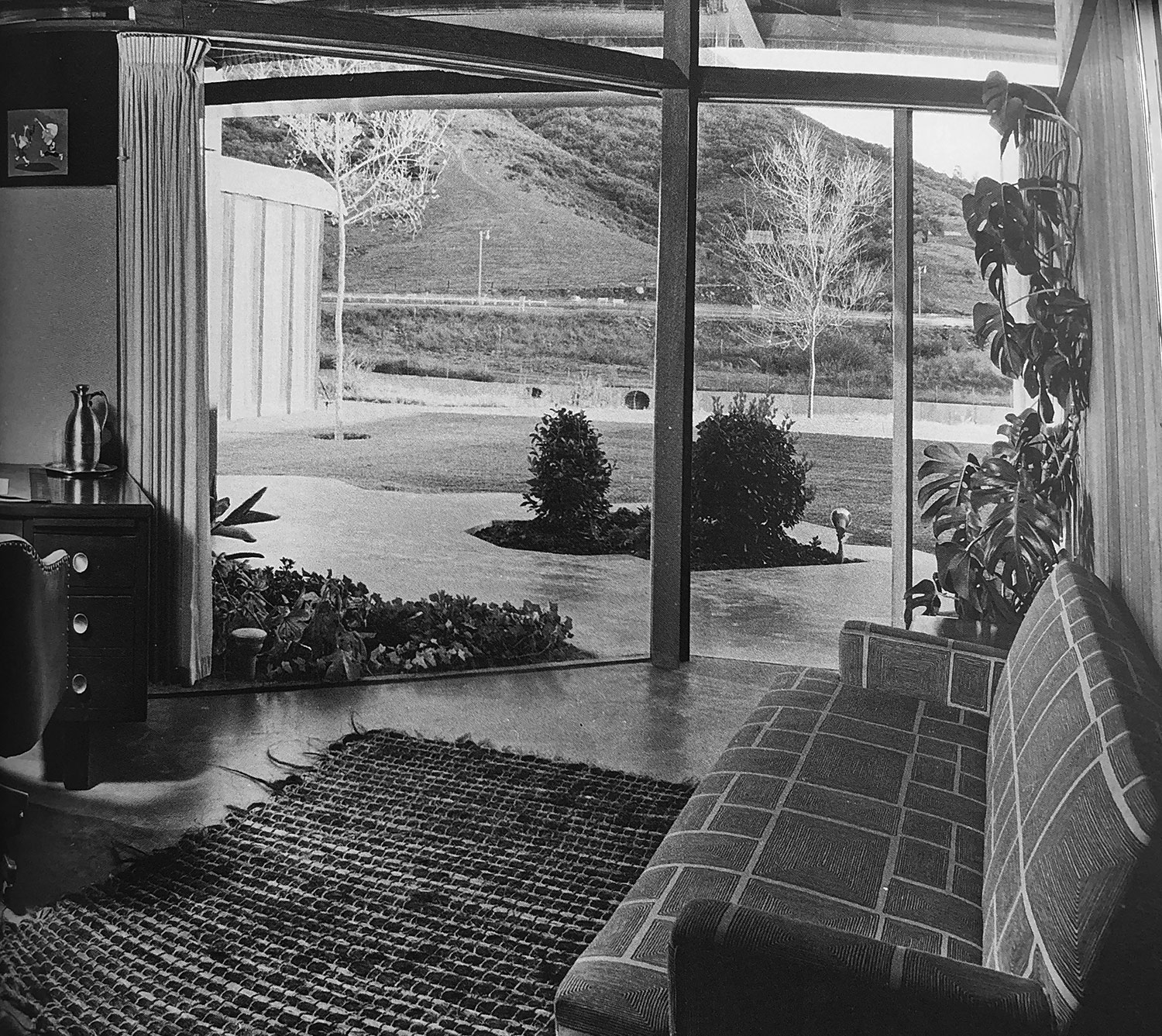
No one said anything either when Lautner’s 1949 UPA Animation Studio masterpiece next to the Smokehouse was demolished in the mid-1990s.
Did we ever tell you too about how the City of Burbank and most of its population also wanted to let the property owner tear down Bob’s Big Boy in Toluca Lake?
And then were absolutely outraged and fit to be tied when they couldn’t, because they were all legally overruled from the outside?
“No more Big Boys!” Always remember: If Burbank had had its way, there would have been no more Bob’s
Of course we did. All the time. We love to tell this stupid story about a classically stupid and destructive town.
Media City!
Filed under Uncategorized
Interesting factoid:
Whenever former Councilmembers McConkey or Gordon would suggest doing an audit of the Family Service Agency to see where all of their city funding was going every time they’d show up with their hands out for CDBG funds, people would go absolutely nuts in outrage.
“Dr. Gordon, how DARE you question the integrity of this fine community organization that has done so much good for Burbank!”
(It’s true)
We also love recalling the time when Ted McConkey wanted to know if it was true about what he’d been hearing lately — that the Family Service Agency was refusing to refer its clients to Planned Parenthood down the street because they performed abortions.
Filed under Uncategorized
You can tell how badly the original brood married — none of the progeny are known as being great brains.
We’re sure the local YIMBYs think this is just great though — because everyone knows that historical preservation is for losers, creeps, and Boomers…
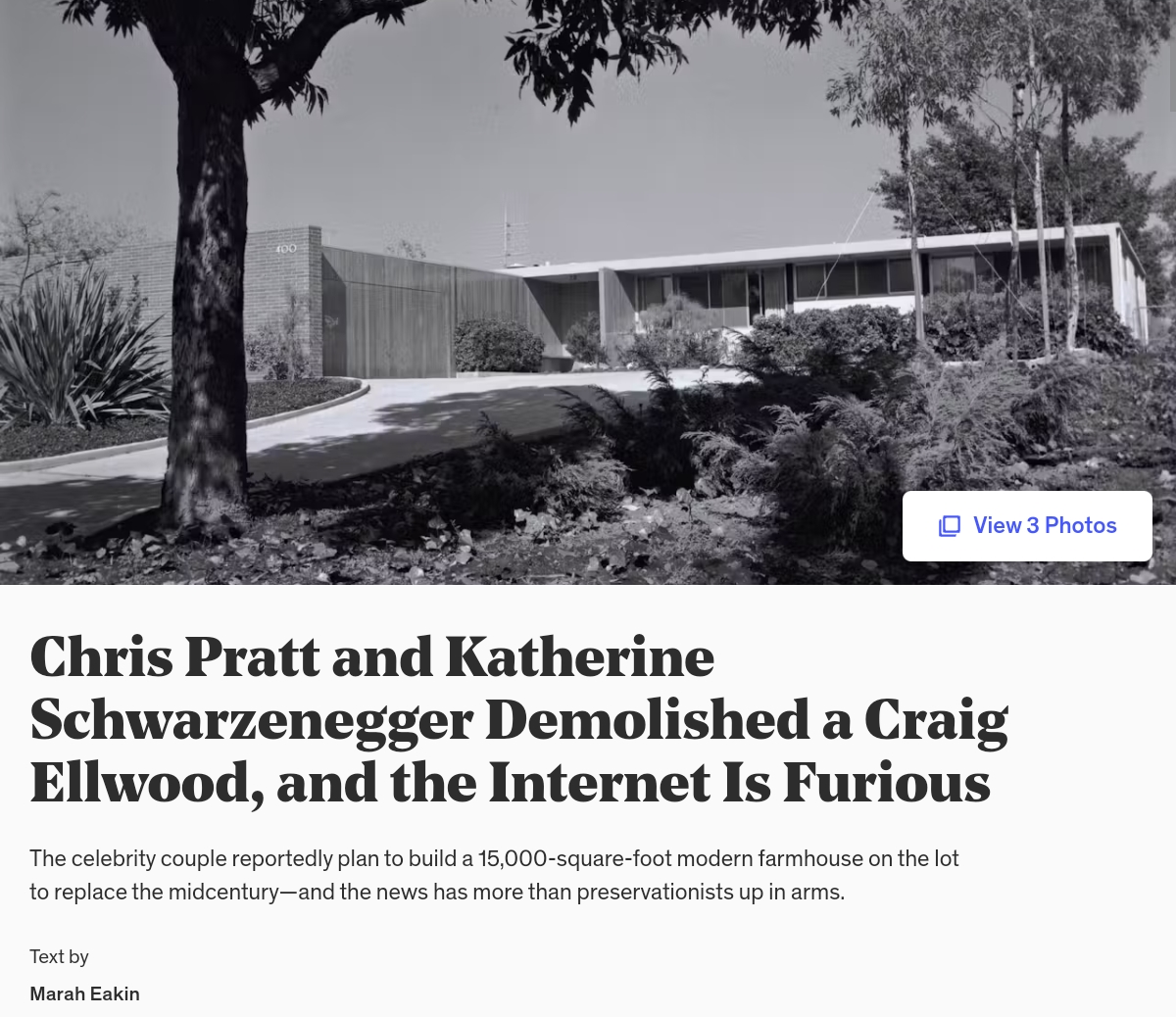
Burbank just tore down a Lautner a while back too, on Olive Ave, and nobody gave a fuck. Natch.
Ellwood was an interesting character. That wasn’t his real name, and he wasn’t a trained architect either — he was more like a local impresario of mid-20th-century Modernism. He had a firm of trained architects with whom he would consult on his ideas.
Ellwood did the Art Center campus in Pasadena too, a great building up on Lida near the Glendale border. Too bad they don’t let you see it any more — like most colleges campuses these days it’s been securely locked away from the public (like Columbia U is starting to do this week as well).
It’s funny. We were reading an obscure design article the other day about Craig Ellwood that happened to mention this recent demolition as part of an outline of his many projects. Now it’s all of a sudden hit the headlines.
Great site here:
https://usmodernist.org/ellwood.htm
And fuck you too, YIMBYs.
Filed under Uncategorized
It comes off as pretty gratuitous in nature, and irrelevant to Burbank.
Filed under Uncategorized

Wow. This is the Post.
Filed under Uncategorized
There’s something amazingly inconsistent about all of this angst.
To help facilitate the investigation, conduct a full sweep of the campus, and ensure the safety of all students and staff, administration implemented a shelter-in-place and cancelled a scheduled pep rally for later in the morning. At 11:30 a.m. administration initiated an early student dismissal with a staggered release to allow students to reunite with their parents and allow the police investigation to continue.”
They also said in the release, “Student and staff safety remain our top priority. We know it is a sacred trust parents and guardians place each day in our school personnel when they drop off their children at school. We apologize for the angst and uncertainty our enhanced safety measures have caused many within our community. Burbank High School and the entire Burbank Unified School District will always err on the side of caution to protect the well-being of our people and to uphold that trust placed in us.
Filed under Uncategorized
And, for some people, lots of grandiose expectations. How about a cortado with oat milk maybe?
We’re still looking for a donut shop with a French press…

Too funny. Like why do you go to a donut shop for cold brew? Why would you trust a donut shop with cold brew? Especially in Burbank. We remember when Dad’s on Victory just having churros was a big deal.
Next question: Does Eat ‘n Park have crepes?
Why not!
Filed under Uncategorized
All hell would break loose of course.
The same people who are cheering this book would be demanding that their career be ended and the police brought in, especially if the character was a male student.
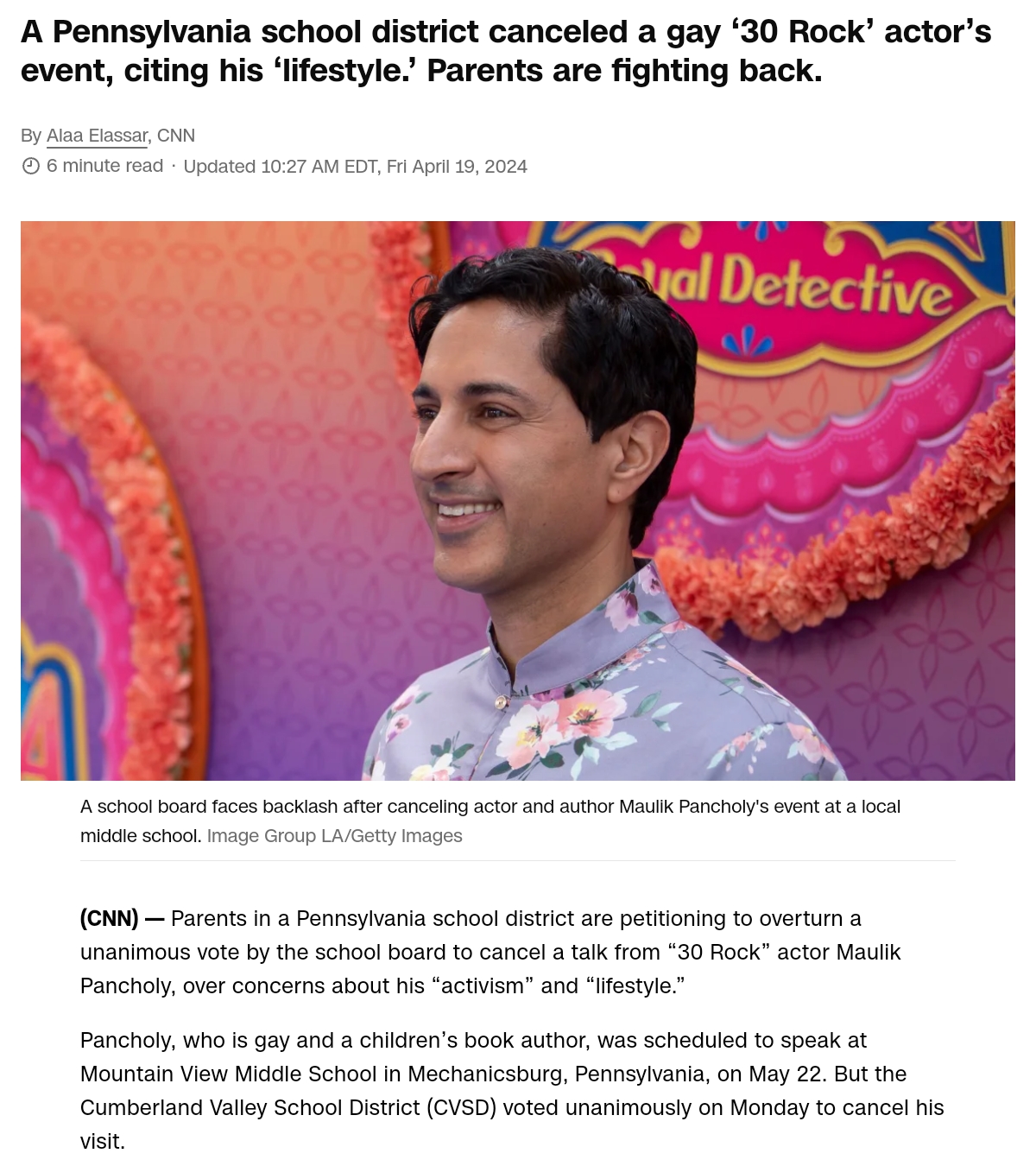
This guy’s on Ali Velshi right now talking about how his book about a gay seventh-grader has been banned from a couple of schools around the country.
Quite frankly, we’d ban it just on the grounds that it sounds so incredibly cornball and obvious. Pandering even.
Another TV actor writing a children’s book with a topical theme that was a cliche 30 years ago. Yuck. And aren’t all seventh-graders the victims of bullying at one time or another, whatever that word even means now?
Anyway, it’s the rank hypocrisy and attendant self-righteousness that gets to us about this. Let’s start celebrating sexually active and uber-conscious straight pre-teens then why don’t we.
Right. That’ll be the day.
Better yet, let’s just leave kids alone, OK? Stop projecting all of your weird shit on them.
Oh, and since we’re talking about banned books in the schools, what about Burbank’s notorious school classroom/curriculum ban?
Oh, that’s different. Yeah.
Filed under Uncategorized
You’ve got to be kidding.
This excessive panic/authoritarian/repressive/Let’s call the Police! over-the-top response to a girls’ bathroom catfight is insane.
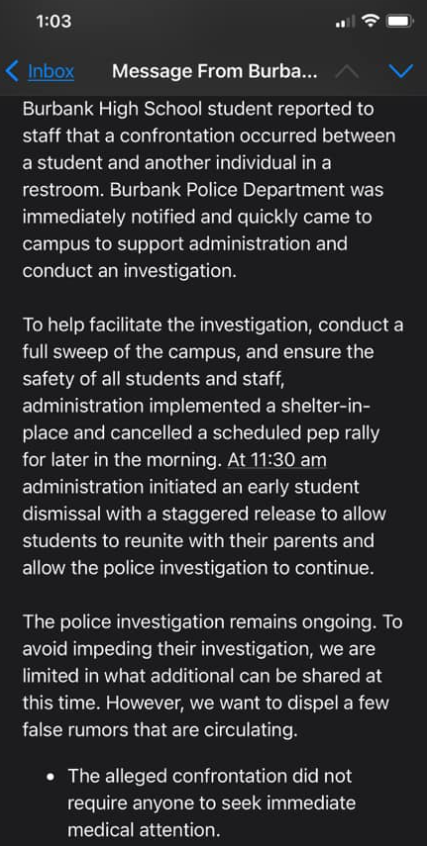
Are people nuts? It was fight in a restroom. Between two girls, apparently.
It doesn’t take much to trigger the panic-outrage machine now, does it? But sure, let’s enfranchise the asshole authoritarians among us.
This is just so unhealthy. Emptying out the campus? That’s really smart — let the kids roam around free now from noon on. Right.
And cancelling school events?
This overheated response also treats the kids like little criminals and the schools like jails. People think that’s cool? No wonder the kids act as they do.
Filed under Uncategorized
Nowadays he’d probably be hogtied and have his life ruined forever. And everyone would cheer and pat each other on the back in satisfaction…
Brandishing? What exactly does that mean?
Btw, to claim that someone was “seen brandishing” something that looks like “a knife” is a successful old-fashioned way that cops have to generate enough PC for a legal stop-and-frisk in public.
Filed under Uncategorized
Who wants to look at all this stuff anyway?
This is like the stepkids living off of someone else’s grandmother’s estate:

Consumption and cannibalization.
Licensing can expand the audience for existing assets, extend shelf life and at the more successful end of the scale, inspire franchise expansion.
What kind of business future is that? Everything recycled by everyone now?
Filed under Uncategorized
Filed under Uncategorized
Apparently it wasn’t obvious to anyone who counts that this would ever be happening.
To all of the modern journalism bros who were making fun of cable and boomers and the old hurry-up-and-die relics of the 20th century who still do creepy things like eat baked potatoes and watch regular TV, fuck you.

People are getting sick of the mental effort that goes into always having to push buttons and make complicated choices from out of nowhere. Sometimes you just want to sit back and have the world presented to you.
Filed under Uncategorized
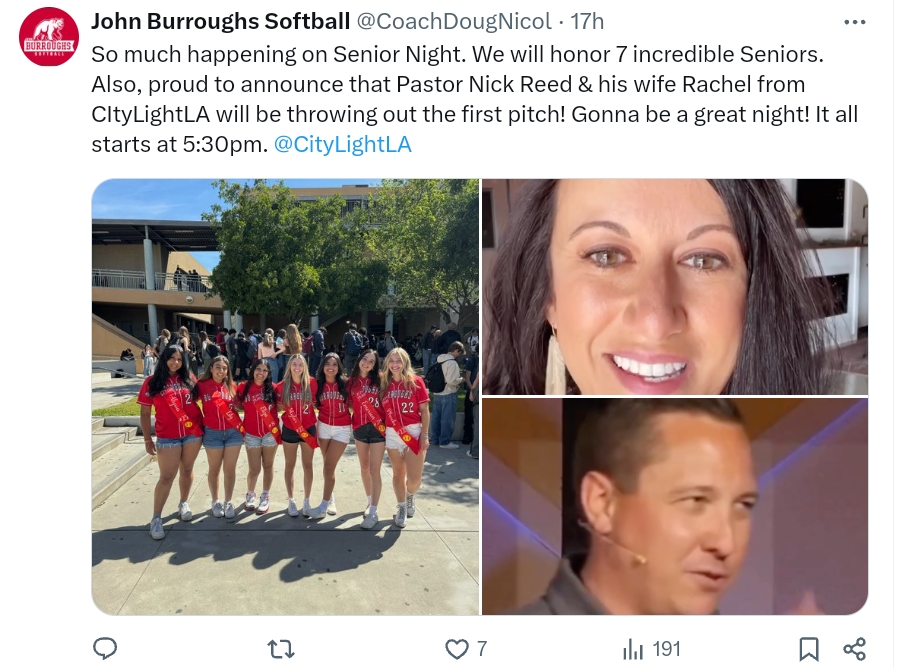
One of our favorites. His church was being displaced by the Talaria project:
Filed under Uncategorized
Filed under Uncategorized
What, in this “radical reimagining” she’s become some kind of a hero?

Descends?
A reimagining of Andrew Lloyd Webber’s “Sunset Boulevard,” starring Nicole Scherzinger as Norma Desmond, the long forgotten silent movie star who descends into madness, was the big winner at this year’s Olivier Awards, Britain’s equivalent of the Tonys.
The musical, which will open at the St. James Theater on Broadway this fall, was honored Sunday during a ceremony at the Royal Albert Hall in London with seven awards, including best musical revival, best actress in a musical for Scherzinger, best actor in a musical for Tom Francis, as the screenwriter who falls for Desmond’s charms, and best director for Jamie Lloyd.
She was always nuts. That was the whole point. Among many other things Sunset Boulevard was a satire on Hollywood.
Satire? What’s that? Is it like a personality study or something?
You know, it’s not just the retread/cannibalizing thing that’s annoying and pathetic here about these productions. Like, why don’t you start making your own Sunset Boulevards, eh kids? It’s the 21st century.
No, it’s the abject stupidity and lack of critical taste and judgment that goes into them. Is finding someone around now who actually gets the point about things an impossible dream? And, who doesn’t always think that they can improve on everything with all of their dumb serioso input?
Come up with your own good stuff. PLEASE!
One of the many strokes of genius in this film was the casting of von Stroheim.
(“Who?” they asked.)
Filed under Uncategorized
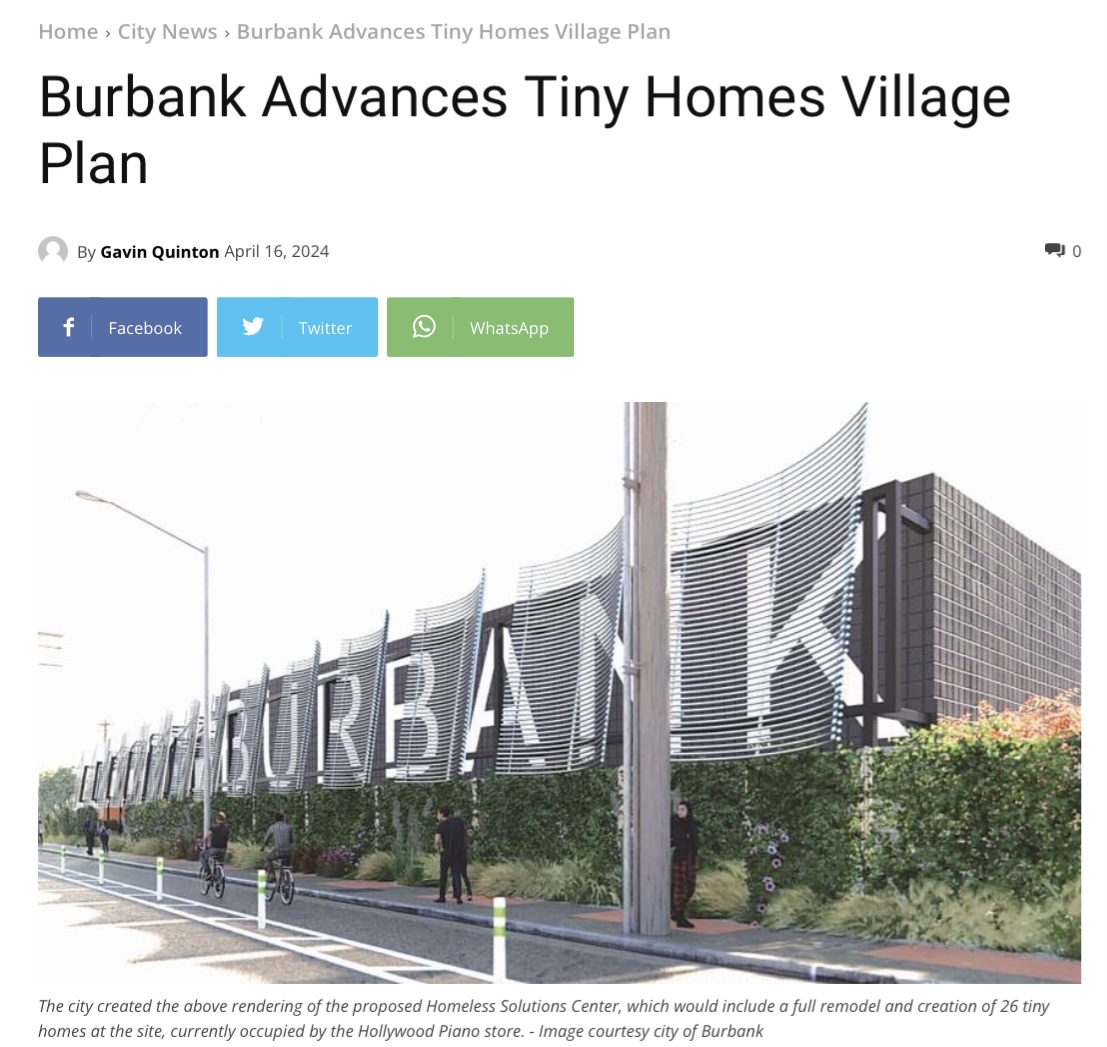
Why this need to fluff the idea of “Burbank” all over the downtown area? It comes off as tacky and dorky.
Filed under Uncategorized
Filed under Uncategorized
The branding and badge engineering has begun.

You just knew after being overwhelmingly pressured to save TCM that management wasn’t going to leave it alone. Which also means that no matter how many august names are attached to it now, the content will still be getting dumbed down.
And ads. First it will be for WB product, then others specially targeted as “a service to our viewers…”
Remember American Movie Classics? That was great once too.
Filed under Uncategorized
So we guess you gotta go back 70 or 80 years if you want to find some taste and critical judgment in this town.
Filed under Uncategorized
You can tell that Lapham hasn’t run Harper’s in years.
Oh boo-hoo!
Such wasted talent, yes. Hollywood is so cruel!
We can’t imagine anything worse than being stuck in some of these writers rooms with this crowd of self-serious, over-entitled lightweights.
In 2012, at the age of thirty-two, the writer Alena Smith went West to Hollywood, like many before her. She arrived to a small apartment in Silver Lake, one block from the Vista Theatre—a single-screen Spanish Colonial Revival building that had opened in 1923, four years before the advent of sound in film.
Smith was looking for a job in television. She had an MFA from the Yale School of Drama, and had lived and worked as a playwright in New York City for years—two of her productions garnered positive reviews in the Times. But playwriting had begun to feel like a vanity project…
Just begun to feel?
In the old days an idea like this would have been thought to be obviously cornball and contrived if not pretentious. Now it’s art?
…I first spoke with Smith in August of last year, four months into the strike called by the Writers Guild of America against the members of the Alliance of Motion Picture and Television Producers (AMPTP), the biggest Hollywood studios. In 2013, she’d begun to develop the idea for what would become Dickinson, a gothic, at times surreal comedy based on the life of the poet, Emily. “I realized you could do one of those visceral, sexy, dangerous half hours but make it a period piece,” she said. “I was never trying to write some middle-of-the-road thing.” She sold the pilot and a plan for at least three seasons to Apple in 2017; she would be the showrunner, and the series had the potential to become one of the flagship offerings of the company’s streaming service, which had not yet launched.
Looking back, Smith sometimes marvels that Dickinson was made at all. “It centers an unapologetic, queer female lead,” she said. “It’s about a poet and features her poetry in every episode—hard-to-understand poetry.
Dickinson’s poetry is not difficult to grasp at all. Or to read. Are all those quatrains too much for you?
That’s one of the reasons why she’s been so popular. She’s zippy and lots of fun, but still dense and rich. We can’t think of a great poet in fact who’s easier to read than Emily Dickinson!
These writers are just so awful, so semi-demi-educated moronic. Oh, and Emily Dickinson was not “queer” either. She had an all-consuming emotional affair with a local reverend that became notoriously suggestive to (older) scholars.
And even if she was gay, so what?
These all-defining sexual preoccupations are just so shallow and stupid to be trafficking in all the time — like everything’s a fucking personality driven soap opera.
The truth was that the forces that had opened doors for Smith were the same ones that had made her individual work seem not to matter. They were the same forces that had been degrading writers’ working lives for some time, and they were cannibalizing the business of Hollywood itself.,
And Hollywood had always been so graciously accommodating! The rest of this long article meanders through a dubious chain of historical cause-and-effect that even if valid is nothing at all new about Hollywood and your own personal prospects in that flaky and chaotic business.
No one knows anything now, do they? But these people are so god-damn full of themselves. They substitute arrogance and conceit for taste and knowledge.
And btw, there’s nothing wrong with vanity projects. Most things should stay that way. So just make your own films instead, people — it’s easier than ever to do, and maybe something will click.
But leave the greats alone.
Filed under Uncategorized
We predicted over two years ago that Disney+ would slowly transition to a FAST-style streamer.
People are getting sick of having to dial everything up on their own. Sometimes it’s nice to just sit back and be offered a choice of what’s currently on. It also makes you feel like you’re a part of something communal.
Although of course, this isn’t any kind of fantasy world that we would want to be a part of…
The revamped Disney Plus app could soon feature always-on channels dedicated to Star Wars and Marvel shows, according to a report from The Information. The channels, which are reportedly similar to those on free ad-supported streaming services like Pluto or Tubi, could take away the choice when it comes to picking out what to watch next.
In addition to Star Wars and Marvel series, Disney’s lineup of channels could feature stations that continuously stream Disney’s classic animated films or movies from Pixar, The Information reports. Even though viewers would need a Disney Plus subscription to tune in to the channels, they will likely still contain ads — just like traditional television.
Ha, we predicted that one too. Ads.
Yeah, we know. If we’re so smart then how come we’re not rich?
There’s a good reason for this, actually — it’s because we have no idea how to tell people what they want to hear. Never could.
Humanities major, too. That’ll keep you broke for good.
The cableification of streaming will likely become a broader trend in the future, as Disney also plans to launch a streaming-only version of ESPN along with a live sports streaming package with Warner Bros. Discovery and Fox.
Ha ha, predicted that as well. Even Criterion has started a non-demand channel that you can just drop by and tune into.
Streaming can be so much work. The future is … cable! Who wants to curate their own life all the time?
Filed under Uncategorized
Good for them. Maybe there is hope for the future.
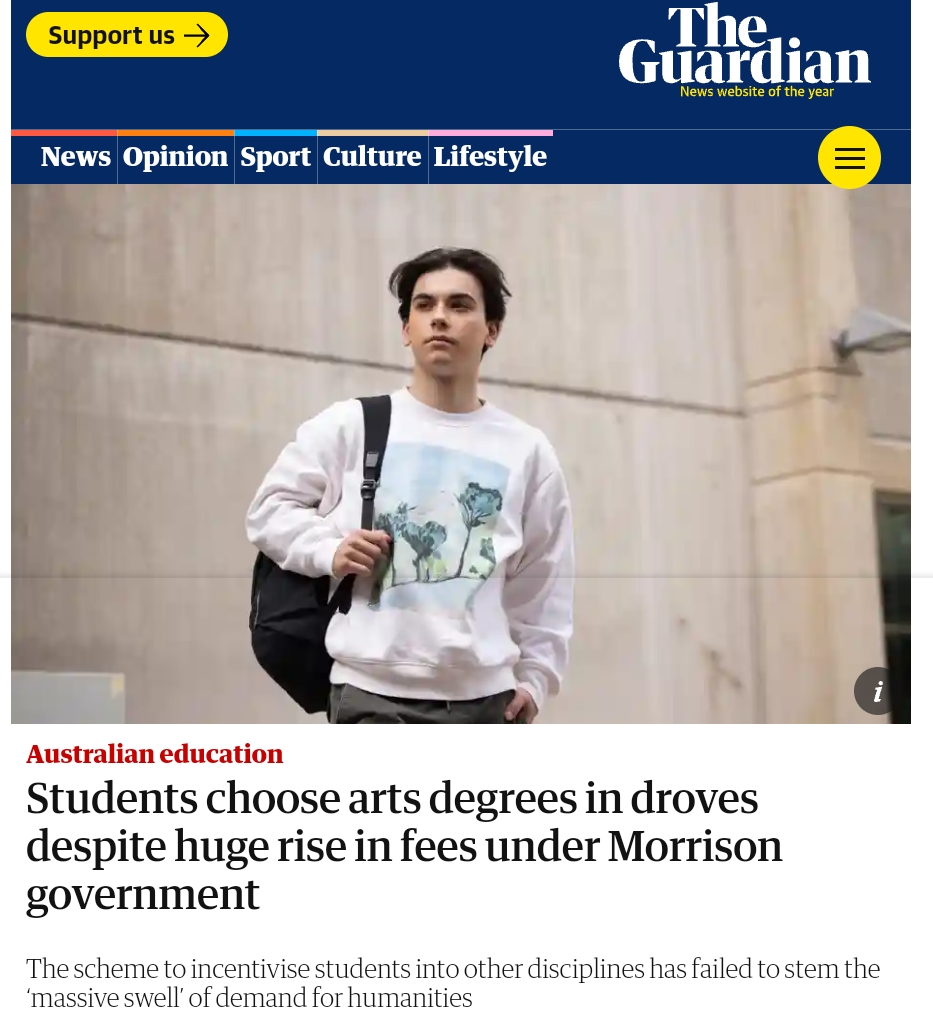
This is the best thing we’ve heard in weeks.
Owen Magee knew how high his student loan would be if he enrolled in an arts degree – he saw the headlines in 2020, when he was still in early adolescence.
But measures introduced by the former Morrison government that doubled the price of some degrees to incentivise students into other courses didn’t dissuade him, nor did recent cost-of-living increases.
“I decided I’d prefer doing something I’m interested in,” the 18-year-old says of his decision to study a media and arts degree at the University of New South Wales.
“A lot of young people are moving away from conventional ideas of education and the workforce to pursuing things we genuinely enjoy in life.
“We know what’s best for us – we’re willing to stand up and say ‘this is our future, we’re not going to allow our lives to be dictated’.”
Can you imagine charging more for a humanities major? What a horrible little continent this has turned into.
We never figured what was so great about Australia anyway. There’s too many deadly critters everywhere — you walk outside in your backyard and some poisonous insect swoops down and kills you in three seconds. Who needs that? And now this.
Sticking it to the Man.
Data provided to Guardian Australia shows Magee is not alone. Students are flocking to arts degrees in record numbers despite a 113% rise in student contributions for communications, humanities and society and culture degrees, implemented as part of the widely condemned Job-ready Graduates (JRG) scheme.
Despite the spike, Australia’s largest universities including UNSW, the University of Melbourne, the University of Sydney and Monash have all experienced a jump in applications for arts degrees, leading to higher enrolments.
At the University of Melbourne, demand for its Bachelor of Arts degree is higher in 2024 than any time in the past five years.
It’s had a 14% surge in the number of first preferences for the bachelor program since 2022, while enrolments have also jumped since 2021, rising from 1,597 to 1,641 this year.
Monash University has seen first preferences for arts degrees rise by 11% since 2021. Enrolments jumped almost 2% this year, at the same rate as the University of Sydney, which has consistently grown its arts enrolments since the JRG reforms were introduced.
Prof Claire Annesley, dean of arts, design and architecture at UNSW, says there has been a “massive swell” of students choosing degrees in her faculty.
First preferences for arts degrees surged by 14% at UNSW this year, while the student course load was also up.
“I think they can see the future better than we can,” she says. “This generation of young people will be creating jobs you and I can’t imagine – and industry knows that as well.”
Well we doubt that. But living the life of the Intangible is alright with us. Fuck all this coding crap — it’s nothing but a means to an end anyway.
Truth and Beauty forever!
Filed under Uncategorized
The Burbank Housing Corporation has an unfortunate history of buying up old apartment houses, spending tons of money on them for restoration, and then replacing the older units with a fewer number of newer ones on the very same property.
Also, since the BHC refuses to rent to anyone who has an eviction on their record, how many true “lower income” tenants do they actually end up servicing?
Don’t be too poor in Burbank!

This project will also have EV charging stations. So they expect some Tesla drivers coming in?
Yes, we ask such rude questions don’t we. Somebody should.
The other day we came across a bunch of online praise somewhere about how the fact that the City of Burbank runs senior citizen “artists’ apartments” makes it a cool town and a great place to live. But did you know that a good number of those residents over there nowadays are not artists?
And, that this was the case from the beginning?
So how did they ever get in, those non-artists?
The last time we had a council member who would ever ask about such matters was Dr. Gordon. He’s the one btw who first wanted to know why it was that the BHC would replace the larger old apartment buildings that they bought with slightly smaller ones after remodeling, particularly in the Lake/Verdugo and Thornton Enclave neighborhoods.
And like, how was this helping to increase the supply of affordable housing in Burbank…?
Whenever the lower-level staff members would try to give him some kind of a feeble reply during those old council meetings, their bosses would immediately step up to the dais and interrupt them. The answers were never forthcoming.
Filed under Uncategorized
Much better than Mad Men.
Filed under Uncategorized
Filed under Uncategorized
Filed under Uncategorized
Stop obsessing over it with the kids. It’s not healthy.
Stop making it the core of your current existence. America is 10,000 miles away and provides the opportunity for a new life.
You know what’s interesting here by comparison? You never see the Jewish community as psychologically and culturally obsessed with their own fairly recent history in Europe. It’s not all they talk about if they talk about it at all.
How come?
We live in an Orthodox neighborhood in NYC and never see the kind of rending of garments and gnashing of teeth that we read about happening every week in Burbank and Glendale.
Filed under Uncategorized
Filed under Uncategorized
These conservative critics keep trying to use In-N-Out as a popular emotional trigger for their outrage over the California wage increase, but this place has already been paying the new minimum.
They’ve always been notorious for their good pay.
This end-wokeness site thinks they’re making the exact opposite point of what they really are making.
The price increases are negligible — and would be happening anyway.
Filed under Uncategorized
Filed under Uncategorized
It’s a start.
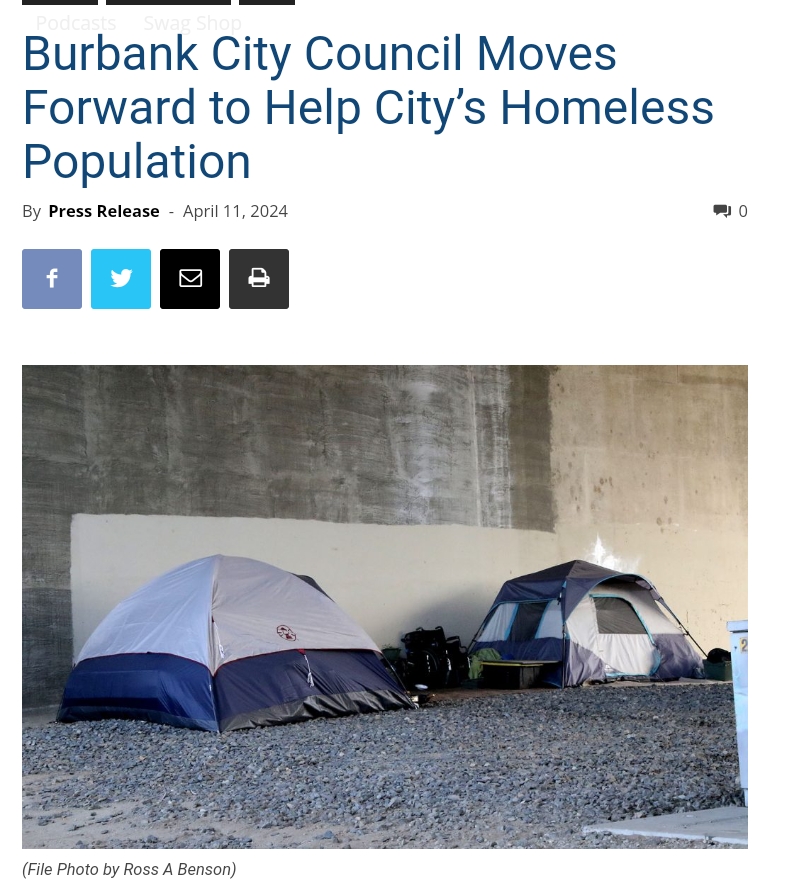
As always, we’re concerned about the execution.
The development of the proposed Homeless Solutions Center would include several key features, consisting of a small transitional shelter with approximately 26 studio-type units designed for interim housing, providing approximately 49 beds. Additionally, the Center will continue to offer storage through The SAFE, and add laundry services, offices for caseworkers and security personnel, and communal amenities for program participants. A Safe Parking Program would provide 14 overnight parking spaces for homeless living within their non-RV vehicles. The Homeless Solutions Center will also offer services that assist in finding permanent shelter and help with substance use rehabilitation and mental health.
The only question is who gets in.
People vetted by the city? Only residents? Referrals from someplace else, like churches or other social services agencies?
Knowing how Burbank operates it won’t be walk-in. There will be some kind of favoritism/selectivity/approval process b.s. involved.
Filed under Uncategorized
This guy came off like a typical smug asshole cop from Central Casting who’d already made up his mind. Which of course was the case.
He also called Black and Brown people who were supposedly cheering from the bridges along the 405 “What a bunch of losers.”
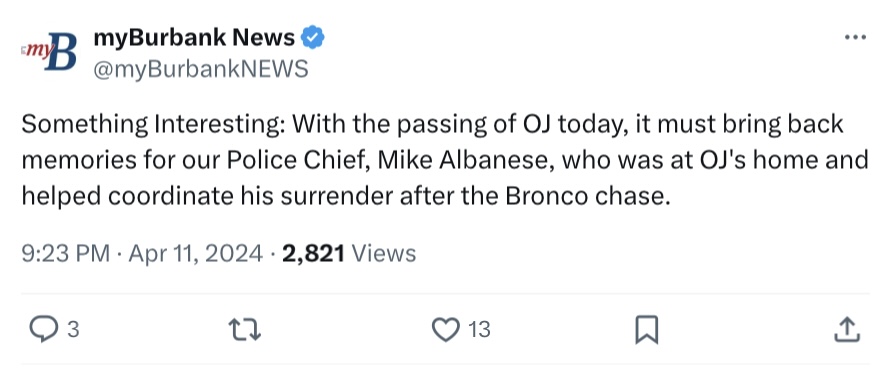
Here’s a “Let’s all be honest” question about O.J.
Most white people we knew had already come to the conclusion that O.J. was guilty as soon as they heard the news. We don’t know anyone who lacked an opinion about his guilt or innocence until the end of the trial and then said, “You know, I’m now convinced he’s guilty…!”
So why was that? Why was there such a rush to judgment on the morning after the crime?
In other words, if this had been Tom Hanks accused instead of O.J. Simpson, would this almost universal affirmation among white people about his guilt have been the same?
And if not (it wouldn’t have of course), just why is that?
“Staged,” right. Staged by whom?
This tacky dude is your chief of police.
Filed under Uncategorized
Filed under Uncategorized
It really is subliterate-audience time, isn’t it.
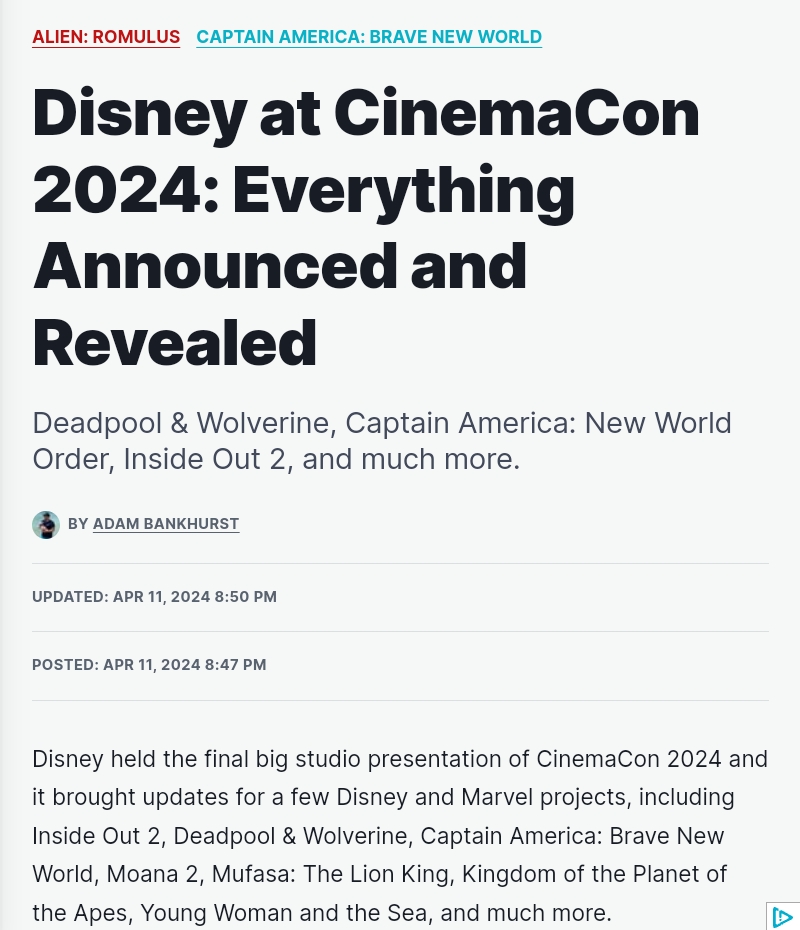
What kind of culture can rely upon a mentality that revolves around grotesquely overbloated comic books?
Filed under Uncategorized
The jury came to the same conclusion as well.
Simpson, the prosecution argued, had six minutes between return from the murder and entry into the limo to get rid of his bloody clothes, dump the weapon, take a shower and present himself as a relatively calm person. Try doing it. [Cockburn, 491]
Simpson clearly lacked the opportunity to have committed this crime.
The only testimony that the jury called up during their deliberations was the limo driver’s, and that’s why he was acquitted.
Filed under Uncategorized
And the ersatz imitation ones are even crazier.
Why should the rest of us suffer just because psychologically troubled individuals have a more than obvious problem with the size of their dicks?

There’s something really ugly and evil about just the simple availability of these things for the home market.
The eternal question: Why in the world did the City of Burbank allow in all of these gun stores? Other cities had successfully banned or controlled them. So why not Burbank?
This was one of many grossly irresponsible and stupid things that this arrogant city helped to effect over the years. No class, no brains, no sense.
You know what it was good at doing though? Punishing people who spoke out about their concerns.
Or especially, who fought back.
Filed under Uncategorized
We used to hang out at the one in Alhambra all the time.
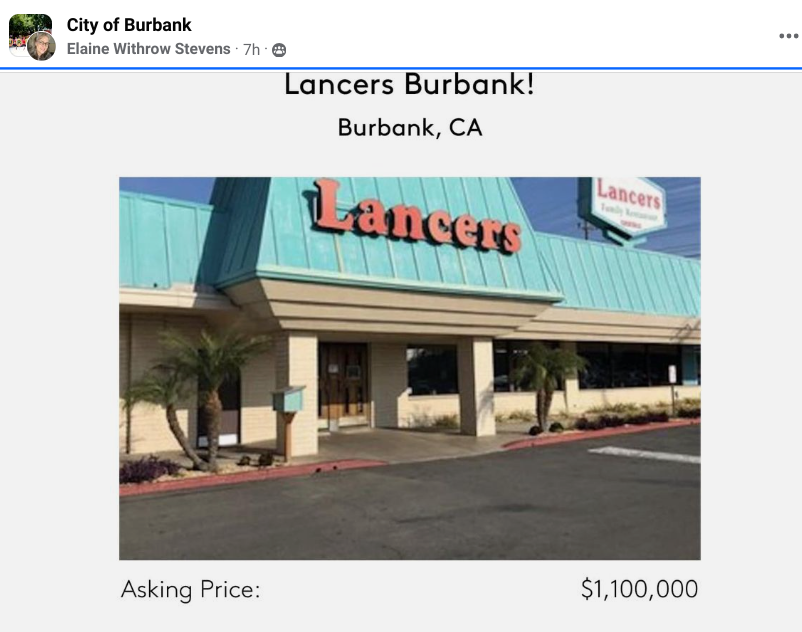
That and Patio Tepeyac. Wouldn’t it be great to have a Tepeyac in Burbank?
It’d do fantastic business. Who’d a thought in years past that coffee shops in Burbank would become rarer than taquerias?
Filed under Uncategorized
Filed under Uncategorized
You’ve got to be kidding.
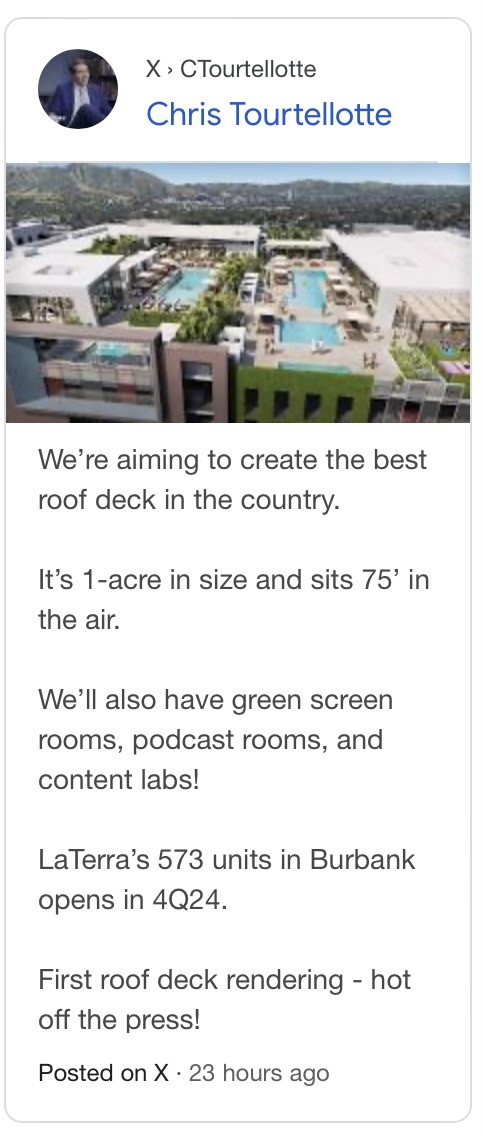
Yeah, everybody demands amenities now.
Filed under Uncategorized

Filed under Uncategorized
Every time the minimum wage goes up the right-wing cranks and business interests go completely apocalyptic.
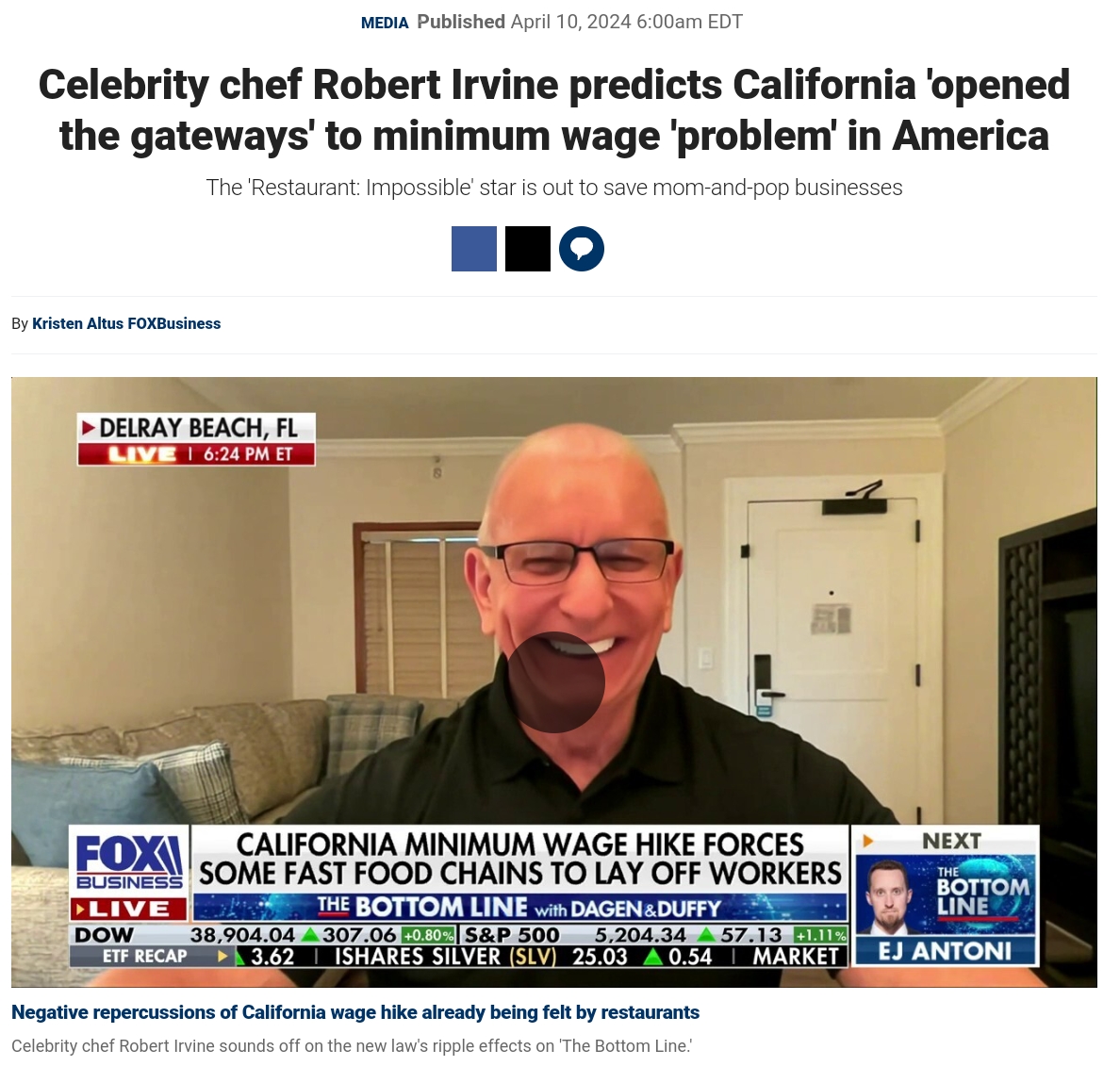
Yes! Because he and his celebrity restaurant friends do everything they can to keep their own prices as low as possible!
We love these threats now too that fast-food restaurants will just end up replacing their employees with robots because of this California wage increase — as if they wouldn’t be doing that anyway if the minimum wage was only $10 an hour. Or five.
Or that this is why “McDonald’s” has been raising their prices on everything so much lately, not noting that McDonald’s franchisees all over the country have been doing this for the last couple of years or so and that this shady practice has been the subject of much consumer criticism.
Oh, that’s right. They’re all raising their prices because of California’s new law. Nevermind!
This guy’s great new technology predictions here also don’t gibe with his claim that this somehow won’t cause job losses. How does that work?
The line cooks are all going to be coding or something?
Filed under Uncategorized
There’s absolutely no institutional or even popular historical memory in this town, is there?
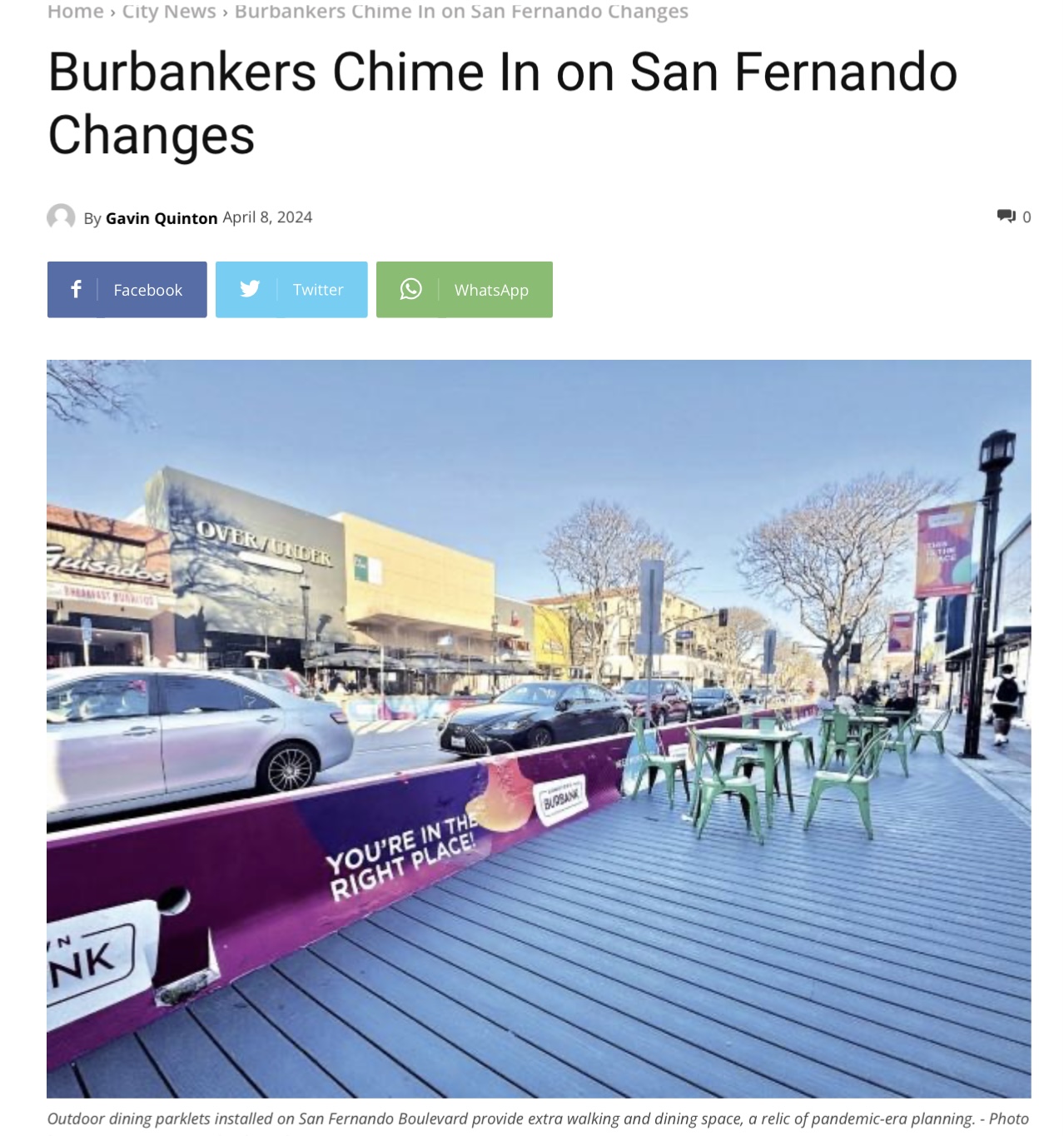
At least they could make it look nicer. Like what’s with all the tacky self-promotional signage everywhere?
It only makes Burbank look dorky and goofy to outsiders — and a little too reminiscent of the characteristically unhip joke-of-a-place reputation that we all grew up with.
Filed under Uncategorized
Just think of the bright side.
There’s always a bright side.
Filed under Uncategorized
Filed under Uncategorized
Talk about spiraling down into authoritarianism. Some of these safety plans are necessary, but the majority are not.
Most of this is also a pretty wacky emotional overreaction to the original event.
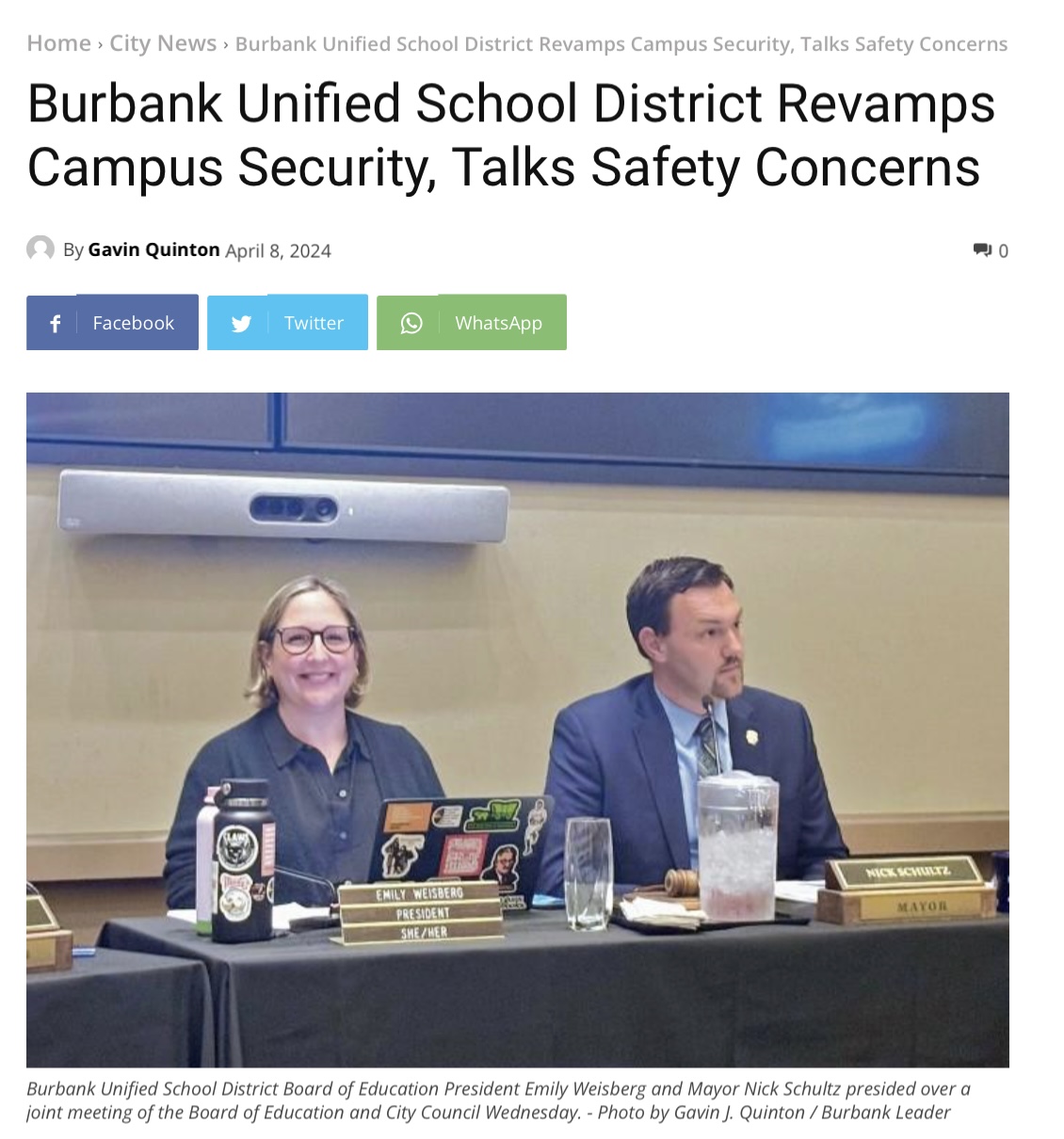
Hey, we told people years ago that enlarging BHS was going to turn out badly. One entrance now for 2400 students?
Turning these places into jail-like monstrosities is also going to make the more neurotic and self-involved members of the community even more angry and paranoid. They’re already constantly looking for problems to flagellate themselves over — everything around them is always potentially culpable and blameworthy.
The first adjustment made to school-site security was to limit access to each campus to one point of entry, starting with Burbank High School. Paramo said it was not an easy change to carry out.
“When you have multiple points of entrance, what happens is you don’t have the proper staffing to ensure that it is being monitored appropriately,” said Paramo…
A single point of entry in and out of school sites is a top recommendation from the Federal Emergency Management Agency, which says that one entry point should be positioned so one or more individuals can monitor all entrances and vet those who attempt to access the school.
How in the world can they do this at some place like the Burbank Adult School, say, where all sorts of people necessarily have to come and go all day?
Now, Paramo says all schools within BUSD are moving to single-access points system, but fire safety requirements mandate several exits. This means the district has to station staff at every door or gate. BUSD is also in the process of adding alarms to access points aside from primary school entry points.
Additionally, the district is requiring every student and faculty member to wear visible identification, a change many districts nationwide have fully implemented for years.
This change makes it immediately obvious when someone does not belong on campus.
This new security measure comes with weighty challenges, district officials said. As students enter a single access point, their identity is processed through a software system called Raptor, ensuring persons entering the school premises belong on site.
What an ugly name for the process, “Raptor.” Trafficking in such imagery of violence and death is totally nuts. Is adding to the horror really going to help solve this problem? Imagine its effect on the kids every day too, to hear this ID process being constantly talked about and experienced in this way.
Who comes up with with such angry trade names like “Raptor”? It makes it all seem pretty self-fulfilling, doesn’t it? At the very least this violent tough-guy imagery only enfranchises the more asshole/authoritarian elements of the community.
Raptor. Why don’t they just put barbed wire everywhere then and dress the kids up in color-coded uniforms?
Look, no one’s asking for peace and love and smoking sections and all that stuff we had at BHS back in the 70s, although it would be a nice change. But this stuff now is just neurotic and repressive as hell. No wonder the kids are all at each other’s throats.
This morbid, angry school environment certainly doesn’t help their bad feelings about the place, nor does the incredibly ugly physical campus itself. Who in the world’s idea was it 20 years ago for instance to pen BHS kids into a courtyard?
The old relaxed, spread out college-looking BHS campus was so much less emotionally confining. It didn’t smack of deliberate institutionalism and control. You can’t believe how bad the new one is.
And again, some of us tried to warn people about this at the time. Replacing Burbank High was no improvement. It’s ugly and angry and unhappy and completely lacks any sense of gravitas.
Filed under Uncategorized
Filed under Uncategorized
The whole kit ‘n kaboodle over there is pegged for destruction you know.
Imagine btw celebrating a hotel at the end of a runway…
Has anyone done a study of the nightly vacancy rates at all of these local hotels easy investment vehicles for foreign money?
Bet it’s not more than 15 to 20 percent average. They’re mostly empty, aren’t they?
Filed under Uncategorized
Criminetli they just won’t shut the hell up on TV this afternoon.
Are we the only ones who booed the sun coming back?
Filed under Uncategorized
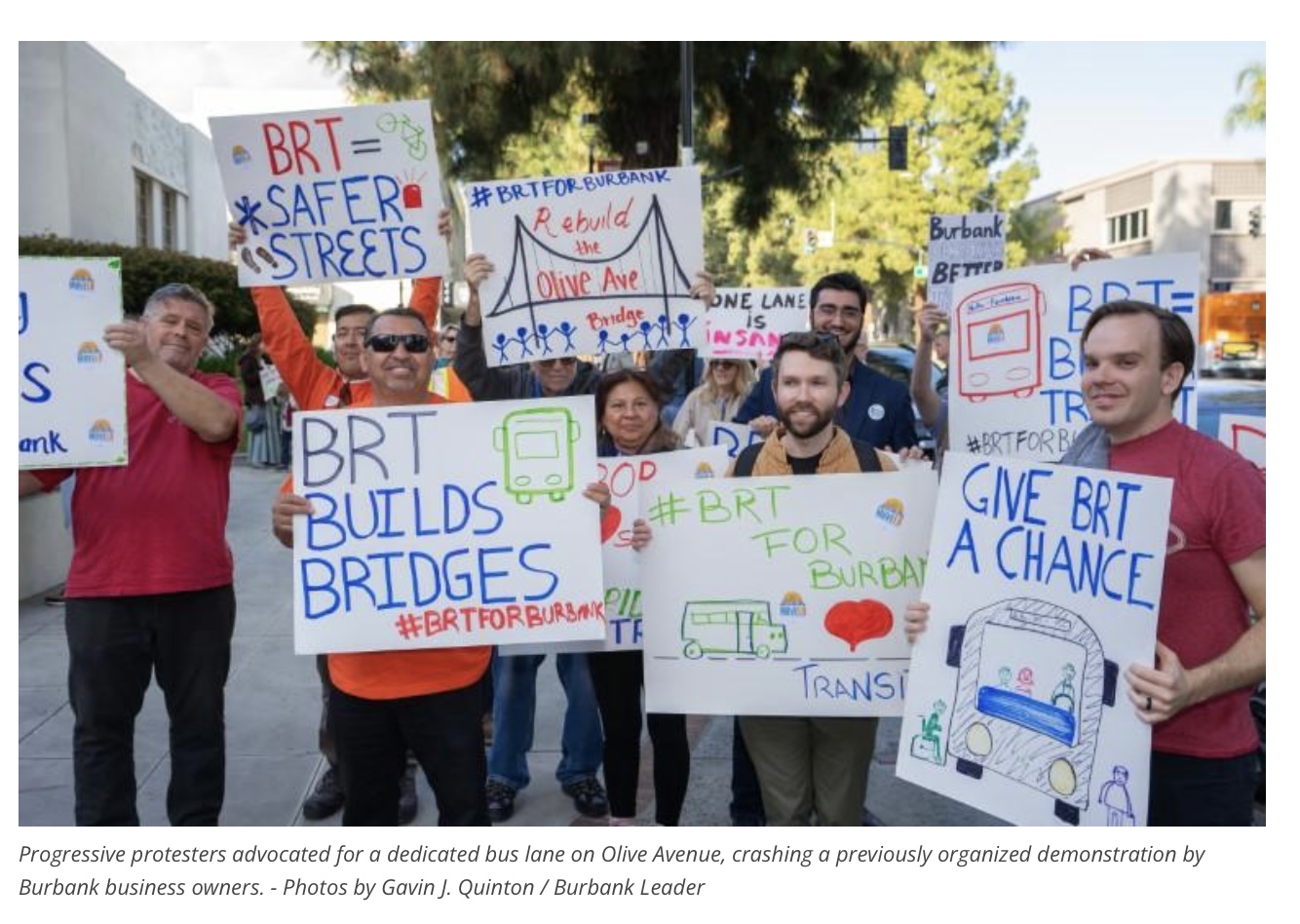
This dumb anti-car ideology is everywhere.
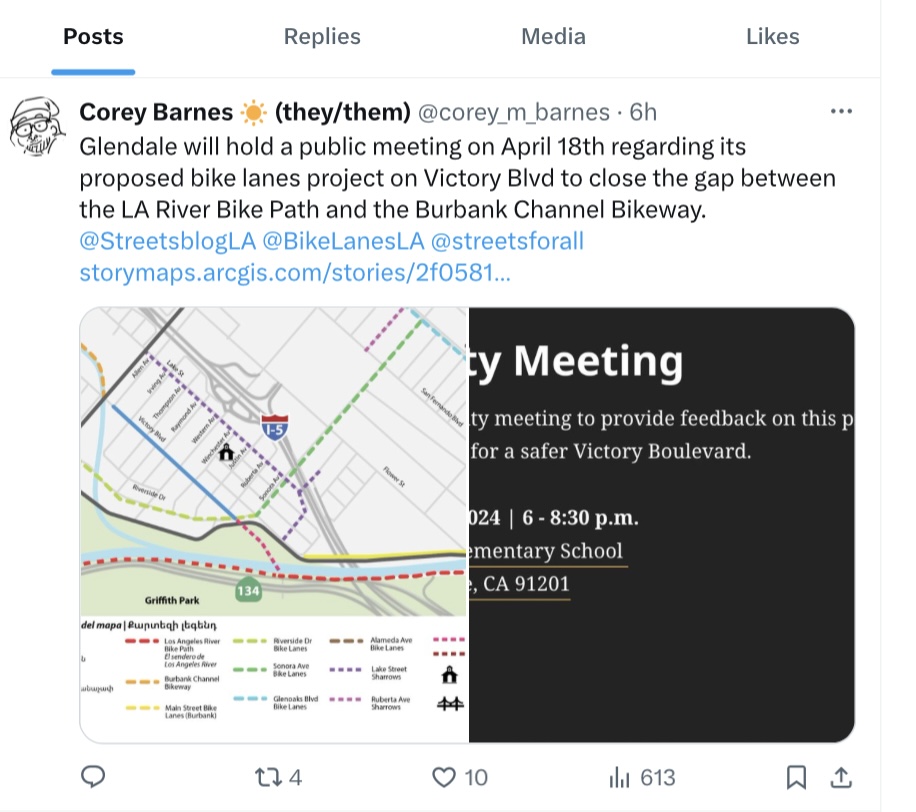
There’s nothing wrong with bikes and encouraging bike ridership. But there is something very much wrong in wanting to harass automobiles off the road, which is indeed the underlying purpose of these street incursions.
In other words, it won’t end at installing bike paths. Just look at the ultimate plans for Olive Ave in Burbank. It’s clearly anti-car.
And no, it’s not just the asshole boomers and angry NIMBYs who are critical of these plans. Younger people who hold that kind of obvious bigotry against the critics can go fuck themselves. We’ve been seeing that everywhere, too, from these paid flacks and mindless ideologues.
Filed under Uncategorized
And what’s being celebrated here?
It’s ridiculous. If you want to have a show then have a show, but have the name make sense.
Filed under Uncategorized
Besides being badly drawn and pointless (was she supposed to be a satirical take on some kind of hackneyed character type who hasn’t existed in at least 60 years?), her appearance itself also went on way too long.

Nobody missed it, obviously, to have been gone that long.
Even if you thought that there was something pointed and comically suggestive about this character, there was so much more that could have been done with her yammering instead of making it come across as ad lib desperate.
SNL is just so awful now, and the producers really should be federally prosecuted for how they misuse the black talent, who are the only good things left on the show. They have Kenan just sitting there like a backstop.
Filed under Uncategorized
We’ve all of a sudden been seeing references to this place and it was like, what?
Then, oh yeah…
This is part of that bogus, mickey-mouse attempt to legitimize someone’s dumb idea of turning this block of downtown Burbank into an officiously contrived “civic center.”
With all the ersatz trimmings…
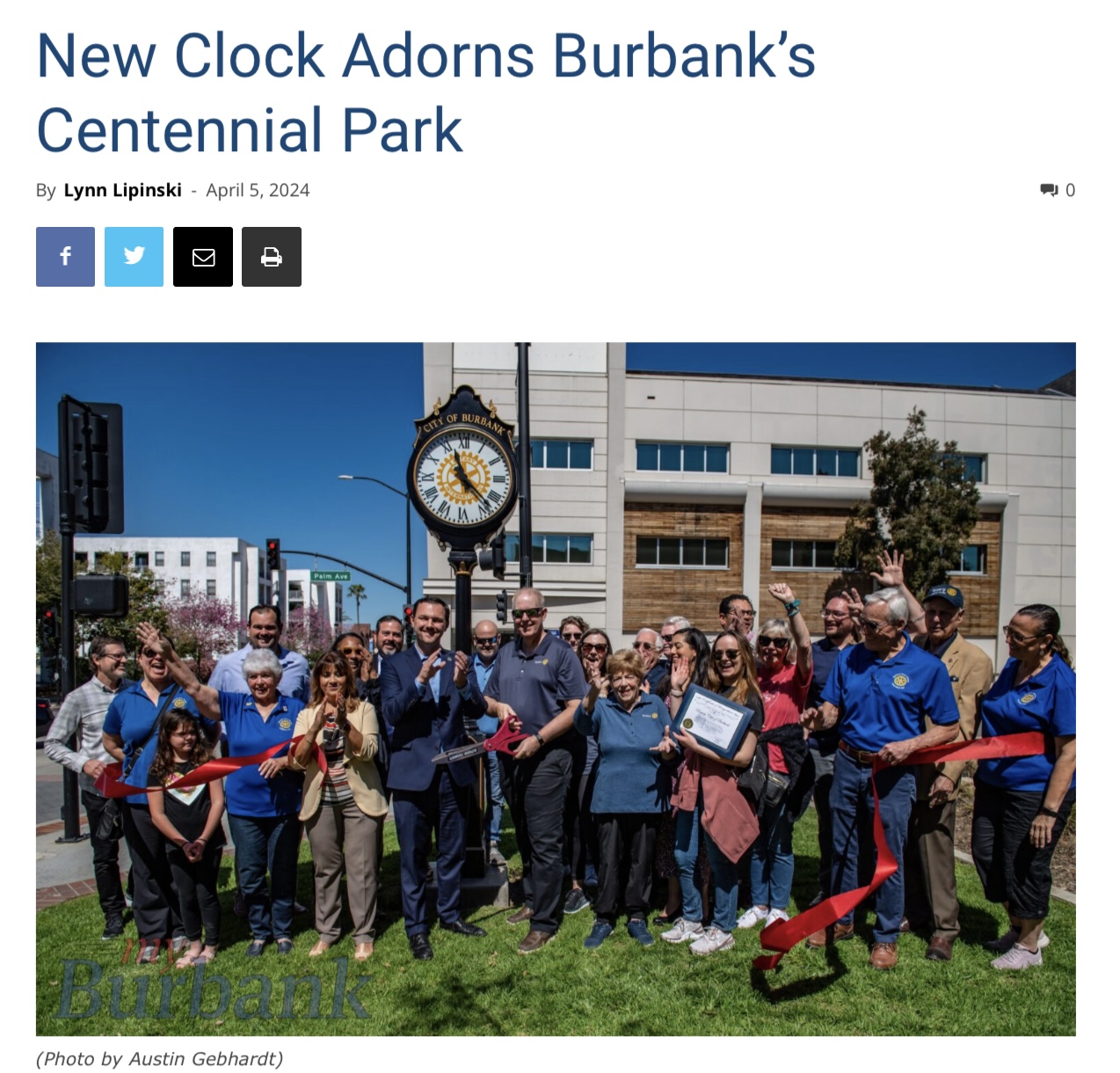
This so-called “park” is also right near where they want to put their dumbed-down library/apartment house disgrace.
The existing Central Library btw already is a part of the current downtown civic center area. Contrary to all of the PR propaganda from the boosters, it’s right there too. That’s why it’s where it is.
So when people from the city and their friends say things like “We want to put the library right down in the civic center!” just keep in mind that it’s already there.
Filed under Uncategorized
They assembled in front of the Algonquin Hotel on 44th Street and then paraded down to Bryant Park at 42nd.
It’s Tartan Week in New York City, and today’s Tartan Day.
You know, Burbank needs to get some kind of ethnic celebration like this for white people as an attraction to help bring the folks in.
But like real white people. Such as what Santa Rosa has had.
Filed under Uncategorized
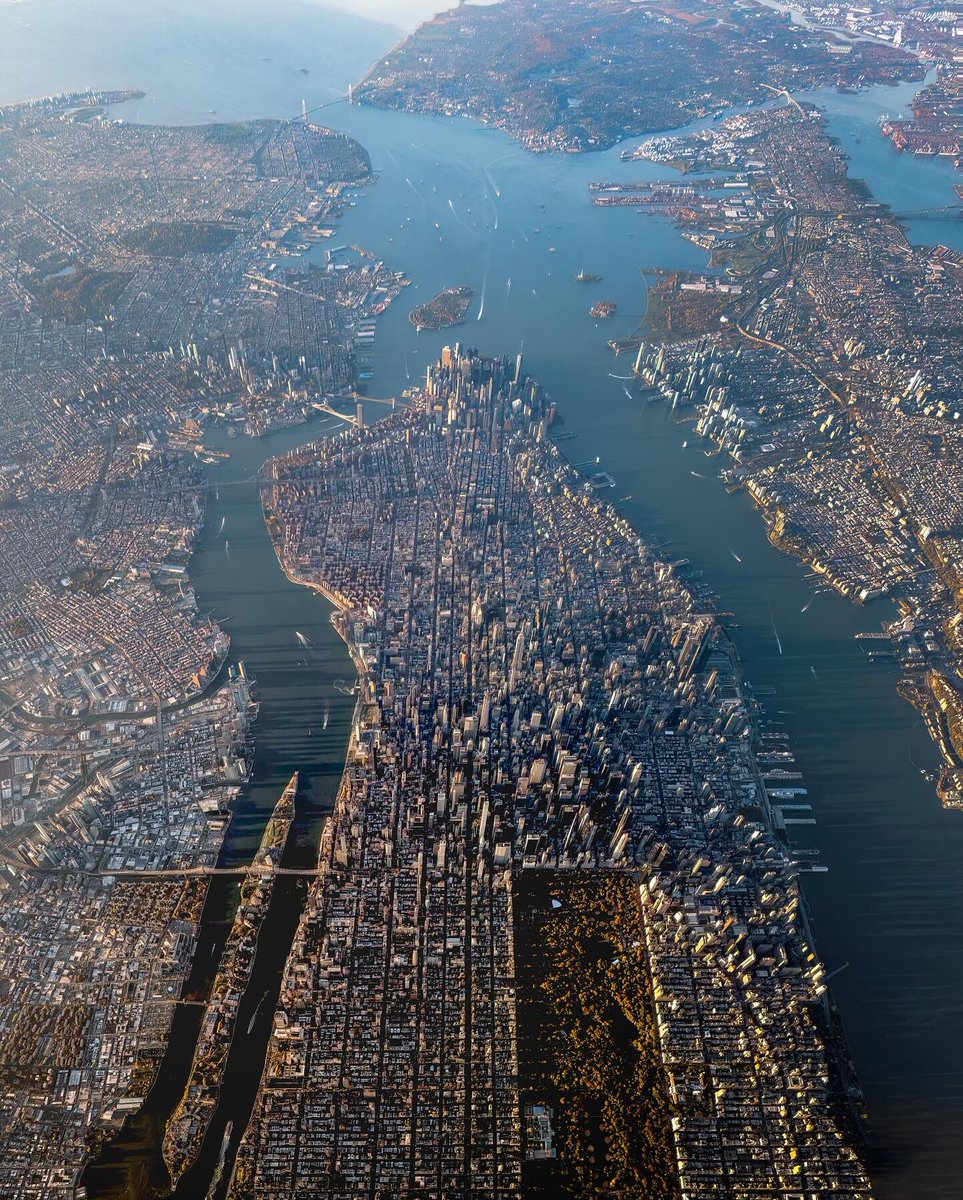
It’s still there.
Filed under Uncategorized
Or biked there?
Uh-huh.
Filed under Uncategorized
Filed under Uncategorized

Lol.
“There is no doubt that Jay Rasulo and I were much more capable of being positive directors on this board than some of the other people there, no question,” Peltz said. “But the ego in the room didn’t allow for it. And you’ve seen that over and over again, as I have. And once people get ego in check, good things happen.”
OK Boomer.
Filed under Uncategorized
European seismographs have it at 5.5. It was scary.
It’s fun to watch the local news right now because it’s so reminiscent of California. Everybody’s calling in with their stories and that’s all they’re talking about. Except with Jersey accents.
Filed under Uncategorized
We thought we’d gotten got away from this.
The news has been crazy. This earthquake was BIG, and yet they’re all still carrying on about Trump Trump Trump.
This just proves how script-driven the cable nets are now, btw. Disgusting. They’re useless for real news.
How could they have not felt it in those Midtown studios? It lasted like 30 seconds and kept accelerating in intensity. It was a LONG and quite concerning earthquake, one of the biggest we’ve experienced. It was hardly a “jolt.”
In New York City ! Where most pre-1950 buildings are made of brick. Few of those old styles are left in LA.
Filed under Uncategorized

 Burbank, California